November 11, 2026
Written by Bal Chana, Dental Therapist and Dental Hygienist, Dip DHE, FETC, GDC No. 4217

This is one of the questions we hear most at Church View Dental. Gums that bleed when you brush are common, and most of the time the cause is plaque irritating the gum line, which responds well to a professional clean and a few changes at home. The harder part is knowing whether to book now, who to book with, and whether anything you have noticed needs a same-day call. This guide is written by our hygiene team to help you make that decision with confidence.
If you would like to understand the stages of gum disease in more detail, our earlier article on bleeding gums when brushing explains gingivitis and periodontitis step by step. Here we focus on timing: how long to wait, who to see first and which signs mean you shouldn't wait at all.
The most common bleeding gums causes are plaque left along the gum line, brushing too hard, starting to floss after a long break, hormonal changes and some medicines. Plaque is by far the most frequent. When it sits against the gums for a few days, the tissue becomes inflamed, and inflamed gums bleed easily when they are touched.
Timing matters because gum inflammation is usually easiest to settle early. Our gum disease treatment page explains that early gum disease is usually reversible with professional hygiene care and good home care, while more advanced gum disease is managed over the long term rather than reversed. Booking sooner rather than later gives you the simplest route back to healthy gums.
If you're wondering how long should gums bleed before seeing a dentist, the advice is not to wait for a set number of days. Bleeding gums can be an early sign of gum disease, so it's sensible to arrange a dental assessment at the earliest opportunity, but not as a dental emergency. In the meantime, keep brushing twice a day for two minutes with fluoride toothpaste, using gentle pressure, and clean between your teeth daily with floss or interdental brushes.
A little bleeding when you first start flossing or using interdental brushes can happen and may settle as your gums become healthier. However, bleeding that continues, gets worse or comes with other symptoms should always be checked. Contact your dentist promptly if you notice:
If any of these sound familiar, call us on 01708 220563 or book online, and we will find the right appointment for you.
For most people with bleeding gums, a dental hygienist Upminster patients can book directly is a good first step. Hygienists specialise in gum health: they measure the gums, remove the plaque and tartar that brushing misses, and show you how to keep your gums healthy at home. At Church View Dental you can book with a direct access hygienist, which means you can see our hygiene team without having a check-up with a dentist first.
See a dentist first if you have toothache, a broken tooth or filling, a swelling, or if it has been a long time since anyone has examined your teeth. A dental check-up looks at your teeth, gums, mouth and any X-rays you need, so it is the better starting point when more than your gums might be involved.
Some patients will be advised to see a specialist periodontist Upminster patients can be referred to within our own practice. That is usually when gum disease is more advanced, keeps coming back, or needs treatment beyond a hygiene appointment.
Yes, through our direct access hygiene appointments. If you are asking can I see a hygienist without a check-up, the answer at Church View Dental is that you can book the hygienist on their own, as our dental hygiene page explains. If our hygiene team spots anything that needs a dentist, such as a cavity or a cracked filling, they will tell you and help you arrange it.
Most bleeding gums are not an emergency, but some signs mean you should call the practice the same day rather than wait for a routine slot. Call us on 01708 220563 if you have:
Our emergency dentist page explains how same-day appointments work, subject to availability on the day. If the practice is closed, call NHS 111 for advice.
Some signs point beyond the mouth. Bleeding gums together with unexplained bruising, frequent nosebleeds, extreme tiredness or feeling generally unwell should be checked by your GP as well as your dentist. Call 999 or go to A&E if you have heavy bleeding from your mouth that will not stop, or severe swelling affecting your breathing or vision. These symptoms require emergency medical attention rather than a routine dental appointment..
Bleeding gums in pregnancy are common, because hormonal changes make the gums react more strongly to plaque. It isn't something to put up with for nine months. Let us know you are pregnant when you book, and our hygiene team will adapt your clean and your home care advice. NHS dental treatment is free during pregnancy and for 12 months after your baby is born, with appropriate evidence of eligibility.
Bleeding gums on blood thinners can be more noticeable, because these medicines make blood take longer to clot. Never stop or change a prescribed blood thinner because of your gums. Tell us which medicines you take before your appointment, and speak to your GP or the prescriber if bleeding seems heavier than usual.
Diabetes can make gums more prone to inflammation, so regular hygiene visits are especially useful. Smoking can hide bleeding by reducing blood flow to the gums, which means a smoker's gums may look healthier than they are, so don't take an absence of bleeding as a clean bill of health. Braces and aligners make cleaning harder, and our hygiene team can show you the tools that reach around brackets and wires.
Your first appointment starts with a conversation about what you have noticed, how long it has been going on and any medical changes. We then check your gums, measuring around the teeth to see whether there is inflammation or early gum disease, as our gum disease treatment process describes.
Next comes a thorough clean. We remove plaque and tartar from above and just below the gum line, and we offer scale and polish with Airflow, which uses warm water, air and a fine powder to lift surface stains. Before you leave, we show you the brushing and between-the-teeth cleaning that suits your mouth, and we recommend when to come back.
If your gums need more care, we will explain the options, which may include more frequent maintenance visits or a periodontal consultation with our specialist. Nothing goes ahead until you have agreed to it and know the cost.
NHS gum treatment covers what is clinically necessary to keep your gums healthy. As an NHS patient, your dentist will check your gums at your examination and advise whether the treatment you need is available on the NHS. New NHS patients are welcome, subject to availability.
Our hygiene appointments, including direct access appointments, and specialist periodontal care are private. Our fees and finance page sets out the costs, and we will always explain what is NHS and what is private before any treatment begins.
If your gums bleed when brushing or flossing, or you've noticed any of the warning signs above, we're here to help. For gum disease treatment Upminster patients can book around work and family, call our friendly team or book online.
Become a Church View Dental member today

You should see a dentist for bleeding gums if you notice bleeding when brushing, flossing or eating, rather than waiting for it to continue. Bleeding can be an early sign of gum disease, particularly if your gums are also red, swollen or tender. At Church View Dental in Upminster, we can assess your symptoms and recommend whether a dental examination, hygiene care or further treatment is appropriate.
Bleeding gums are not usually a dental emergency, but they become urgent if the bleeding won't stop with pressure, follows an injury, or comes with facial swelling, pus, a fever or a suddenly loose tooth. In those cases, call us the same day or NHS 111 when we are closed.
You shouldn't stop brushing if your gums bleed, because removing plaque is what helps inflamed gums settle. Use a soft or medium brush with gentle pressure, and keep cleaning between your teeth.
Bleeding gums don't usually go away on their own unless the plaque causing them is removed, which is why a professional clean and good home care make such a difference. Most people notice an improvement within a few weeks.
It's fairly common for gums to bleed a little when you first start flossing, particularly if they're already inflamed. This may improve with gentle, consistent cleaning, but bleeding shouldn't be ignored or assumed to be normal. If your gums bleed when flossing, arrange a dental assessment to check for gum disease and get advice on the best way to clean between your teeth.
You can see a hygienist without a check-up first at Church View Dental by booking a direct access hygiene appointment. If the hygienist finds anything that needs a dentist, they will help you arrange it.
The most common bleeding gums causes are plaque along the gum line, brushing too hard, hormonal changes such as pregnancy, and medicines that affect clotting. Your hygienist can usually tell you which applies to you at your first visit.
You should keep taking blood thinners as prescribed if your gums bleed, and speak to your GP or the prescriber before changing anything. Tell us about your medication when you book so we can plan your care.
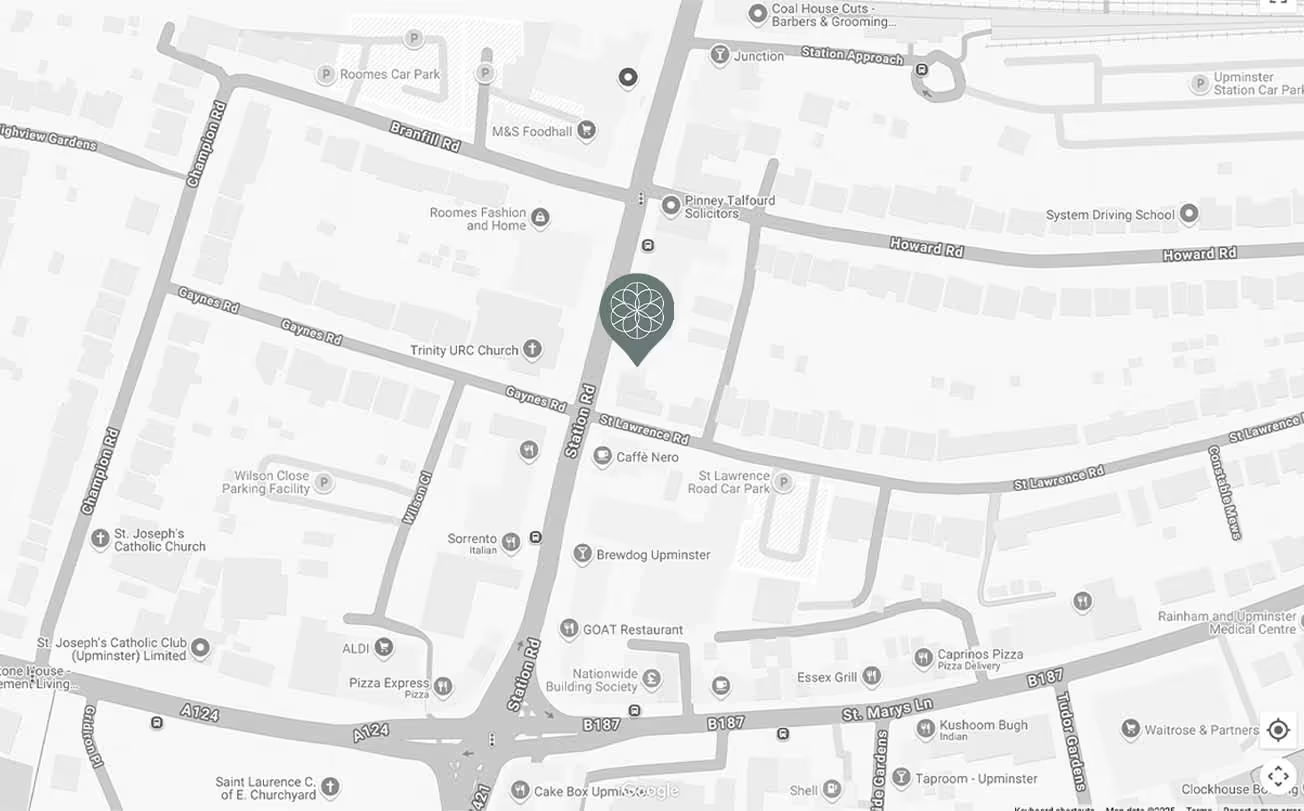
Patients from Cranham, Rainham, Harold Wood and across Upminster can book with our hygiene team at Church View Dental. We are at 34a Station Road, Upminster, a short walk from the station.
NHS gum treatment is available for bleeding gums when it is clinically necessary, and your dentist will advise at your NHS examination. Hygiene appointments with our hygiene team, including direct access, are private.
01708 220563
34a Station Rd,
Upminster,
RM14 2TR
Mon
Tue
Wed
Thu
Fri
Sat
Sun
9:00am - 6:00pm
9:00am - 6:00pm
9:00am - 6:00pm
9:00am - 7:00pm
9:00am - 4:00pm
9:00am - 1:00pm
Closed