June 10, 2026
If your gums bleed when you brush your teeth, it's worth paying attention. Regular bleeding is one of the most common early signs of gum disease and may mean you need gum disease treatment. A gum disease dentist in Upminster can identify the cause of your symptoms and recommend the most appropriate care for your needs.
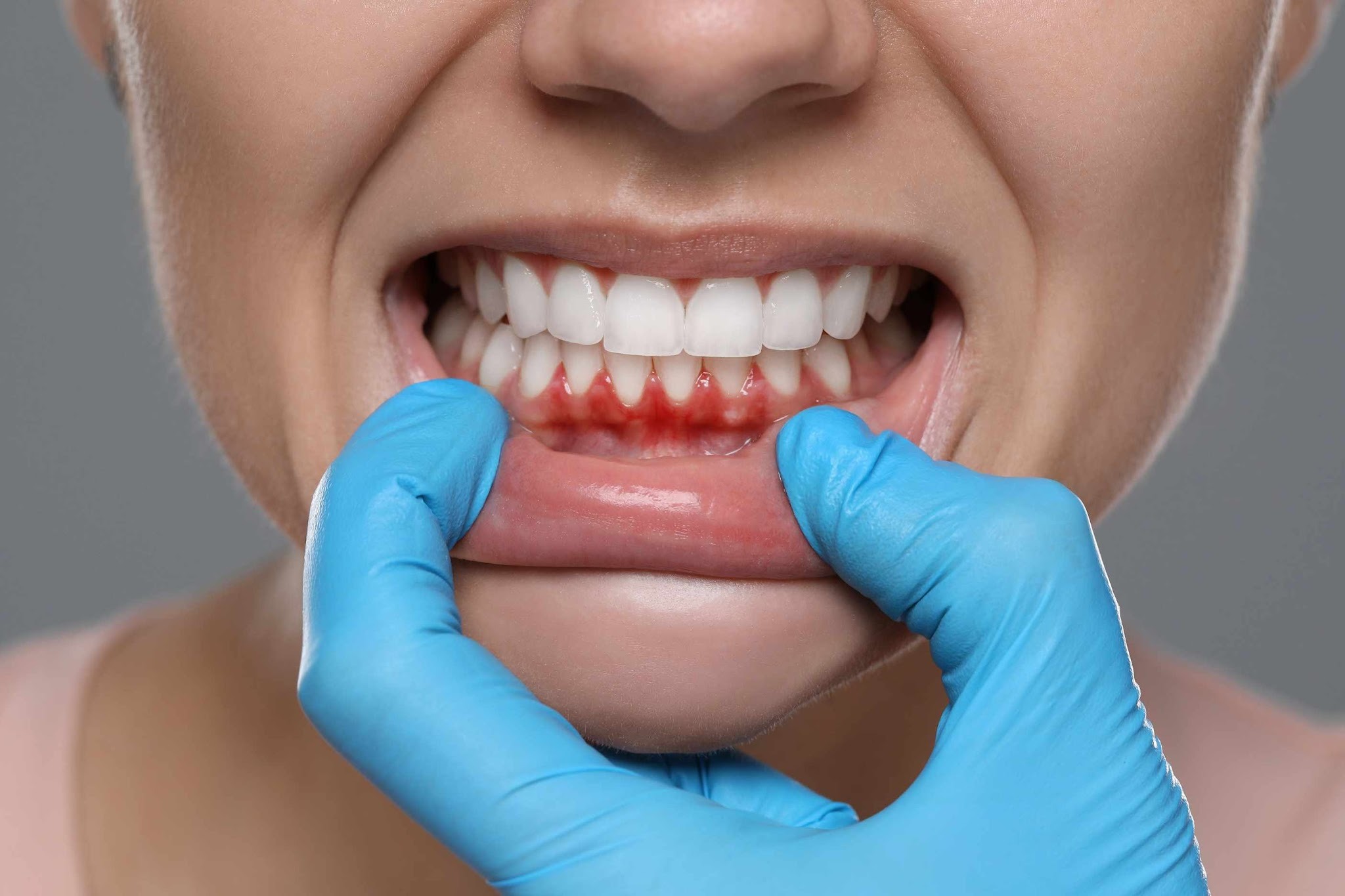
Many people are surprised to learn that gum disease often develops without pain. Symptoms such as bleeding gums, bad breath or gum sensitivity can be easy to ignore, which means problems may progress before treatment is sought.
At Church View Dental, we provide gum disease treatment Upminster patients are able to access through both NHS and private care. Whether you're concerned about bleeding gums, receding gums or persistent bad breath, early assessment by a gum disease dentist can help identify any underlying issues and support healthier gums in the future.
If you're looking for a gum disease dentist Upminster patients trust, arranging an assessment early gives your dentist the best opportunity to identify any signs of gingivitis or periodontitis before they progress.
Gum disease is an infection and inflammation of the tissues that support your teeth.
The condition usually develops when plaque builds up around the teeth and gums. If plaque is not removed effectively through brushing, cleaning between the teeth and regular dental visits, it can irritate the gums and lead to inflammation.
You may hear gum disease referred to as periodontal disease. Both terms describe conditions affecting the gums and supporting structures around the teeth.
There are two main stages of gum disease.

Gingivitis is the earliest stage of gum disease.
Common signs include:
At this stage, the damage is generally limited to the gums and can often be improved with professional cleaning and good oral hygiene.
If gingivitis is left untreated, it may progress to periodontitis.
Periodontitis affects the structures that support your teeth, including the surrounding bone and ligaments.
Symptoms may include:
Periodontitis requires ongoing management to help control the condition and protect your oral health.
Many patients search online for the signs of gum disease before booking an appointment.
The most common warning signs include:
If you're experiencing any of these symptoms, arranging a dental check-up is the best way to understand what may be causing them.

Gum disease can become more serious if it is left untreated. In its early stages, gum disease is often easier to manage. As the condition progresses, it can affect the structures that support your teeth and may require more extensive treatment.
The good news is that many cases are identified before they reach this stage. Regular dental examinations and hygiene appointments help identify early signs before more significant damage occurs.
Early-stage gum disease, known as gingivitis, is often reversible when plaque is removed and good oral hygiene is maintained.
More advanced gum disease, known as periodontal disease, is generally managed rather than cured. The aim of treatment is to control infection, reduce inflammation and help prevent further progression.
This is one reason why seeking advice early is so important if you notice bleeding gums or other symptoms.
Gum disease does not usually go away on its own - without addressing the underlying cause, inflammation and bleeding often continue or worsen over time. Early assessment and treatment help support healthier gums and reduce the risk of the condition progressing.
The right treatment depends on the severity of the condition and your individual oral health needs. Following an examination, your dentist will discuss any findings and recommend the most appropriate next steps.
Treatment may include:
Many patients also benefit from seeing a dental hygienist in Upminster as part of their long-term periodontal care plan.
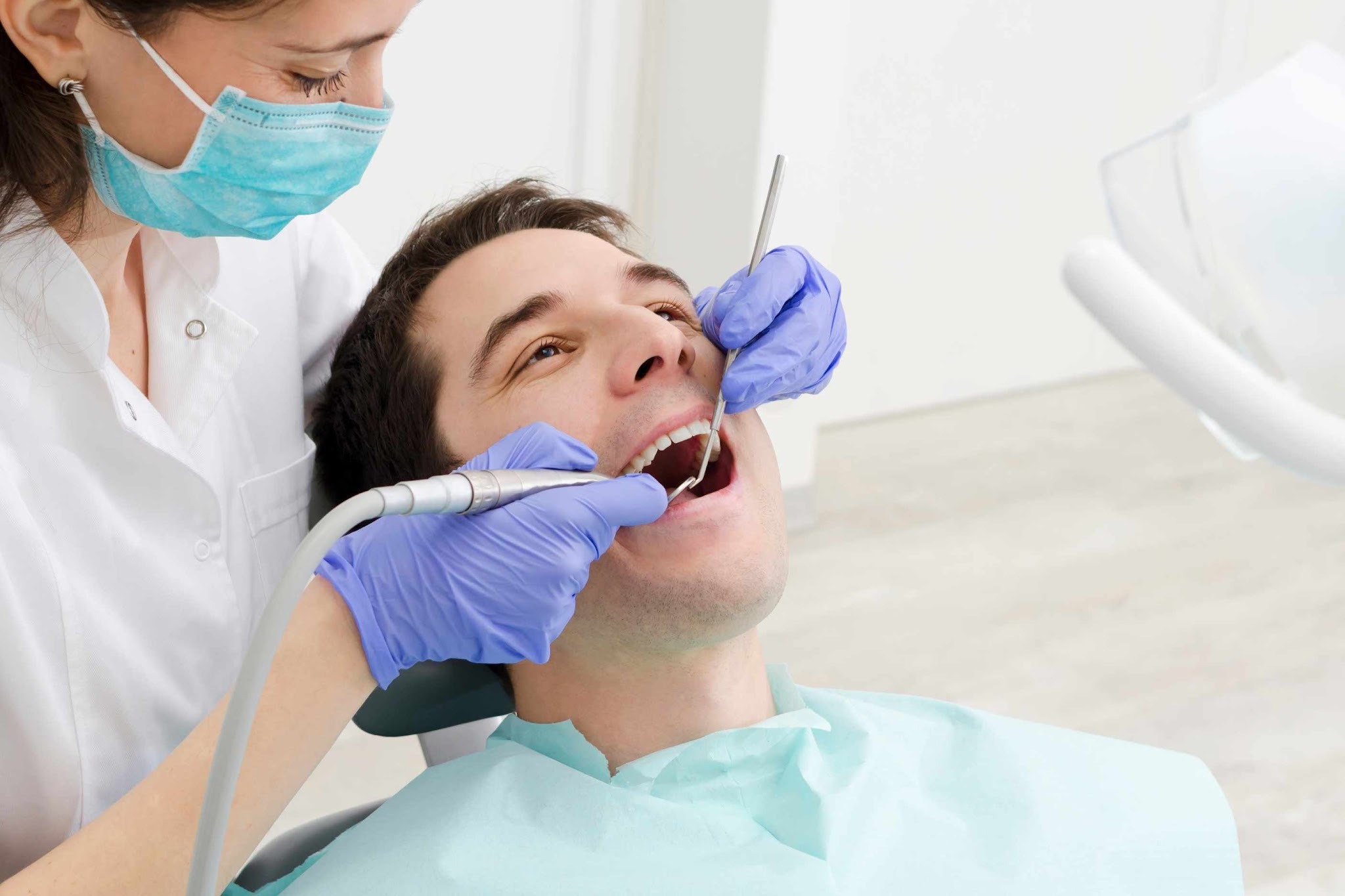
The goal of treatment is to create a healthier environment for your gums and support long-term oral health.
Periodontal treatment Essex patients receive is typically recommended when gum disease has progressed beyond early gingivitis and requires additional management.
The exact treatment recommended will depend on the severity of the condition and your individual needs. Patients with more advanced periodontal disease may require deeper cleaning around the teeth and gums, alongside regular maintenance appointments to help manage the condition over time.
In some cases, patients may be referred to our specialist periodontist for additional assessment where appropriate.
Receding gums are a common reason people seek advice about gum disease treatment in Upminster. When gums recede, more of the tooth root becomes exposed. This can make teeth appear longer and may increase sensitivity. Gum recession has several possible causes, including gum disease, brushing too aggressively and natural changes that occur over time.
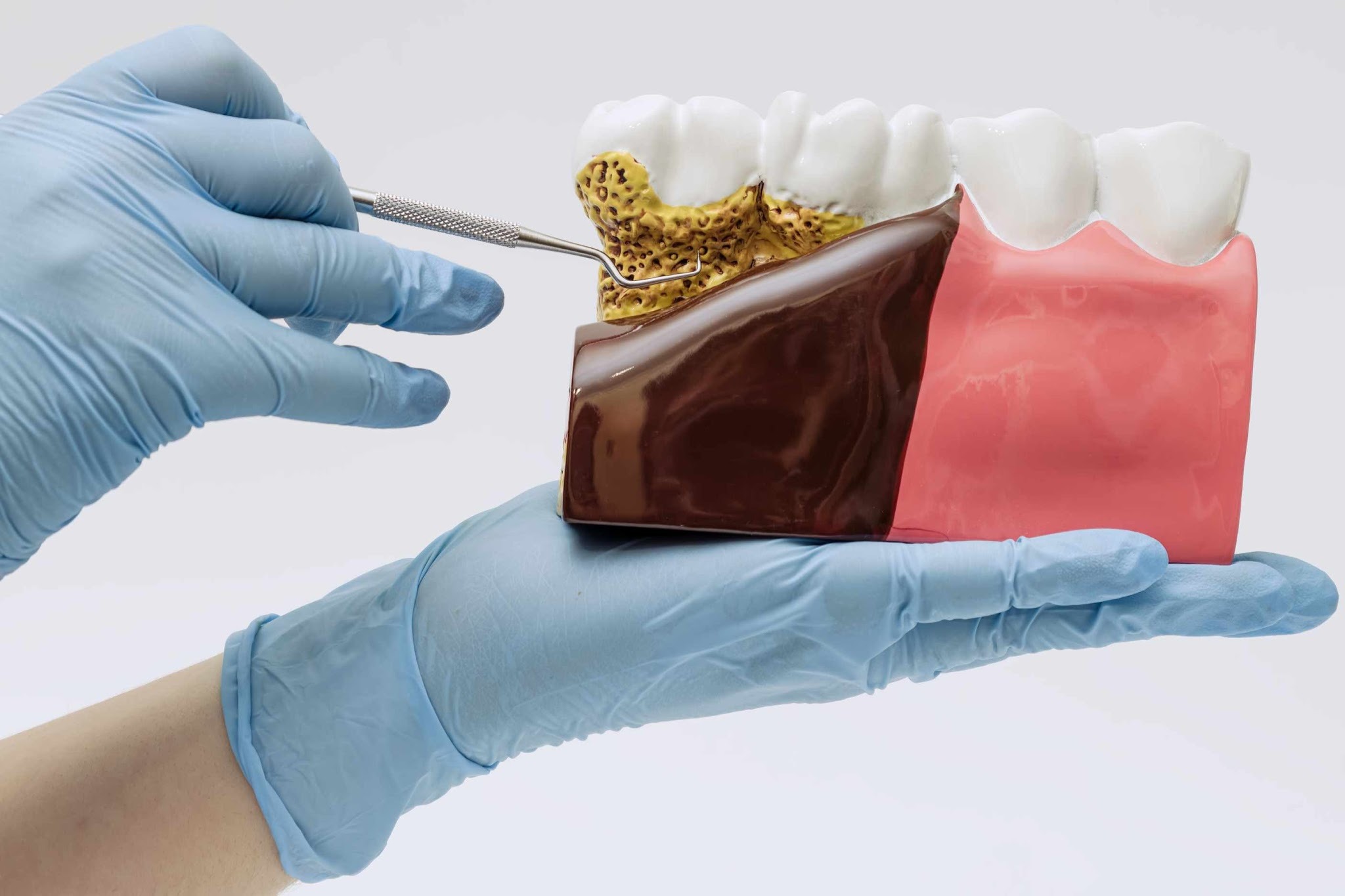
Managing periodontal disease early helps support the long-term health of your natural teeth and may reduce the need for more complex restorative treatment, including dental implants, in the future.
If you've noticed changes in the appearance of your gums, a dental examination in Upminster can help identify the cause and determine whether treatment is required.
Many patients ask whether NHS gum disease treatment is available. NHS dental care focuses on clinically necessary treatment to maintain oral health. If gum disease treatment is required, your dentist will discuss the options available and whether treatment is suitable under NHS or private care.
At Church View Dental, we welcome NHS and private patients from Upminster, Hornchurch, Romford, Rainham, Brentwood and the wider Essex area. Many patients also travel from neighbouring parts of London for routine dental care and gum health support.
If you're searching for an NHS dentist near me or a bleeding gums dentist near me because you've noticed bleeding gums or gum discomfort, it's best to arrange an assessment as soon as possible.

Good daily habits play an important role in maintaining healthy gums. Simple steps include:
In addition, regular visits to a dental hygienist in Upminster help remove plaque and tartar build-up that cannot always be removed at home.
If you're a nervous patient who has been avoiding dental appointments, speaking to a friendly member of the team can be a positive first step towards improving your oral health. You may also wish to see what our patients have to say here.
Gum disease does not usually go away on its own. Without addressing the underlying cause, symptoms such as bleeding gums and inflammation often continue or worsen over time.
If you've noticed ongoing bleeding when brushing, persistent bad breath or changes in your gums, it's worth arranging a dental appointment for professional advice.
Whether you're looking for a gum disease dentist Upminster patients trust, expert gum disease treatment, a routine dental check-up, a hygienist appointment or advice about periodontal treatment, the team at Church View Dental is here to help.

As a long-established dental practice serving Upminster and surrounding communities, we'll assess your oral health and discuss the most appropriate care options for your needs.
Click here for our opening hours, read more about specialist periodontal care and fees here, or arrange an appointment here.
Become a Church View Dental member today

The cost of gum disease treatment in the UK varies depending on the severity of the condition and the type of treatment required. Some clinically necessary treatment may be available under NHS dental care, while private treatment costs depend on the complexity of treatment and the number of visits needed. If you're considering gum disease treatment in Upminster, you can contact Church View Dental for further information.
NHS dental care may cover clinically necessary periodontal treatment when it is required to maintain oral health. Your dentist will assess your gums and advise whether treatment is available under NHS care or whether private options may be appropriate.
Yes, smoking is one of the biggest risk factors for gum disease. Tobacco use can affect blood flow to the gums, increase the risk of periodontal disease and make it more difficult for gums to heal following treatment.
Anyone can develop gum disease, but the risk is often higher for smokers, people with diabetes, those with poor oral hygiene and patients who miss regular dental check-ups. Patients with existing periodontal disease may require ongoing periodontal care to help maintain healthy gums.
The best treatment for gum disease depends on whether you have gingivitis or periodontitis. Treatment often involves professional cleaning, improved oral hygiene, regular monitoring and, in some cases, deeper cleaning below the gumline. For more advanced periodontal disease, periodontal treatment may be recommended to help manage the condition and support long-term gum health.
Gum disease treatment costs depend on the extent of gum disease and the treatment recommended by your dentist. Following an examination, your dental team will explain any treatment options and associated costs before treatment begins. If you're considering gum disease treatment in Upminster, you can contact Church View Dental for further information.
Yes, bleeding gums can have several causes, including brushing too aggressively, certain medications, hormonal changes and gum disease. A dental examination can help identify the underlying cause.
Yes, gum disease is a common cause of persistent bad breath. Bacteria that build up around the gums can produce unpleasant odours, particularly when gum disease is left untreated.
Yes, gum disease can affect dental implants if the tissues supporting the implant become inflamed or infected. Maintaining good oral health, attending regular dental appointments and managing any signs of periodontal disease can help support the long-term health of dental implants.
Receding gums do not usually grow back naturally. Early assessment helps identify the cause of gum recession and allows your dentist to recommend the most appropriate management options. If gum recession is linked to periodontal disease, early periodontal treatment may help prevent further recession and support long-term oral health.
01708 220563
34a Station Rd,
Upminster,
RM14 2TR
Mon
Tue
Wed
Thu
Fri
Sat
Sun
9:00am - 6:00pm
9:00am - 6:00pm
9:00am - 6:00pm
9:00am - 7:00pm
9:00am - 4:00pm
9:00am - 1:00pm
Closed



Copyright Church View Dental 2025
This website was last updated on 13/08/2021 at 09:23