September 30, 2026
If you’ve been told you may need a root canal in Upminster, the words themselves can sound intimidating. But modern root canal treatment is designed to relieve the pain caused by infection or inflammation inside a tooth, rather than create more pain.
Local anaesthetic is used to numb the area before the root canal procedure. The infected or damaged tissue is removed, the root canals are cleaned and sealed and, where possible, your natural tooth is preserved.
At our family dental clinic in Upminster, Essex, we provide routine root canal treatment alongside specialist endodontic care for more complex cases. Our dental team will explain each stage and help you feel as comfortable as possible throughout.
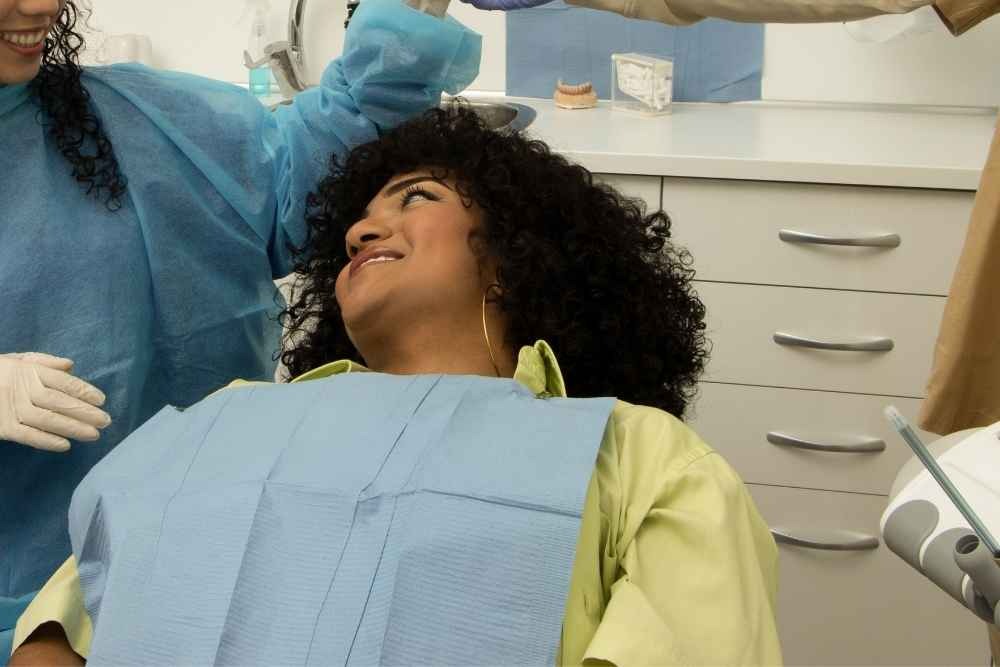
For most patients, root canal treatment shouldn’t be painful while it’s being carried out because the tooth and surrounding area are numbed with local anaesthetic.
Root canals have gained a painful reputation largely because patients may already have severe pain, sensitivity, swelling or an abscess before treatment. The discomfort usually comes from the infection or inflammation itself, and treating the tooth is designed to relieve that source of pain.
Once the tooth is numb, the root canal procedure involves removing the infected or inflamed pulp before the canals are carefully cleaned and shaped using a series of fine specialist files. A disinfecting cleaning solution is also used inside the canals and may be gently activated using sonic or ultrasonic vibration, helping it travel through the root canal system and reach areas that the files alone can’t easily access.
After treatment, the tooth may feel a little tender for a few days, rather like the sensitivity you might notice after a filling, although this can vary from person to person. This should gradually settle as the area heals.
Often, simply knowing what will happen can make root canal treatment feel much less daunting. We’ll talk you through each stage before we begin, so there’s less mystery around the procedure and you know what to expect throughout. If you’re a nervous patient, tell us. We can gently explain each step further, allow you to pause when needed and discuss additional support where appropriate.
Inside each tooth is soft tissue called the dental pulp, containing nerves and blood vessels. Decay, cracks, trauma or previous dental treatment can sometimes cause this pulp to become inflamed or infected.
Root canal treatment removes the affected tissue before the inside of the tooth is cleaned, disinfected, shaped and sealed. The aim is to treat the infection and save a tooth that might otherwise need to be removed.
Different terms can make root canal treatment sound more complicated than it is:
The exact treatment varies, but the process usually follows a few key stages.
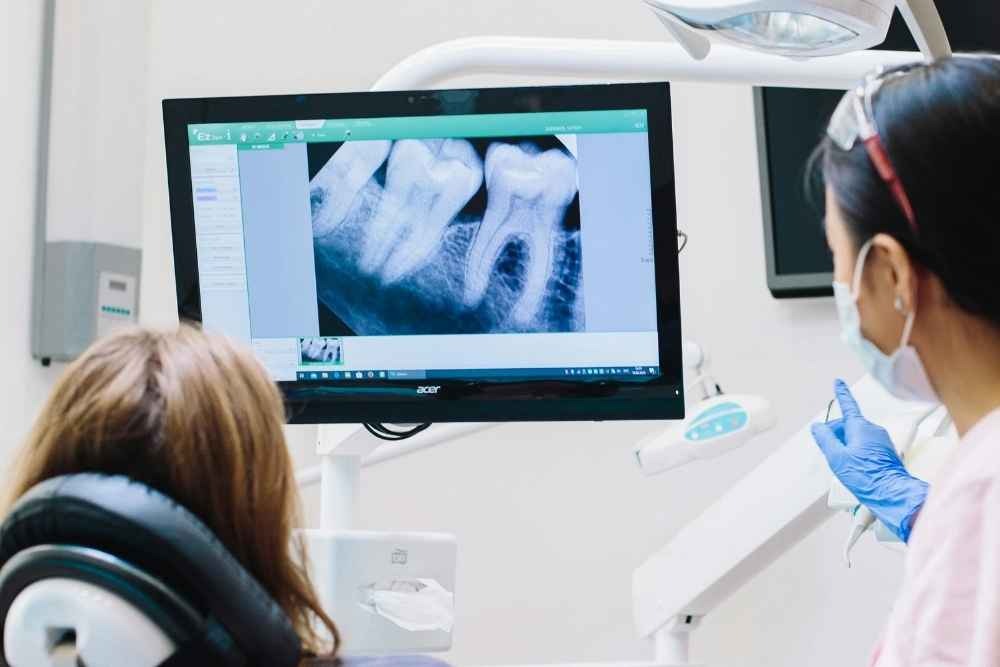
Your dentist examines the tooth and may take digital X-rays. We’ll explain what we’ve found and whether root canal treatment is appropriate.
Local anaesthetic is used before treatment begins. We also use a rubber dam to isolate the tooth and keep the area clean and dry.
A small opening is made in the tooth. The infected or inflamed pulp is removed and the canals are carefully cleaned, disinfected and shaped.
The canals are filled using a specialist root filling material before the tooth is sealed. A temporary filling may sometimes be used between appointments.
Once treatment is complete, the tooth needs a suitable restoration. This may be a filling or, for some weakened teeth, a dental crown.
How long root canal treatment takes depends on the tooth and the complexity of its root canal system.
Treatment may take one or two visits, with appointments commonly lasting around 60 to 90 minutes. More complicated teeth may need additional treatment.
Molars often take longer because they can contain several canals. If treatment is completed over more than one visit, medication and a temporary filling may be placed inside the tooth between appointments.
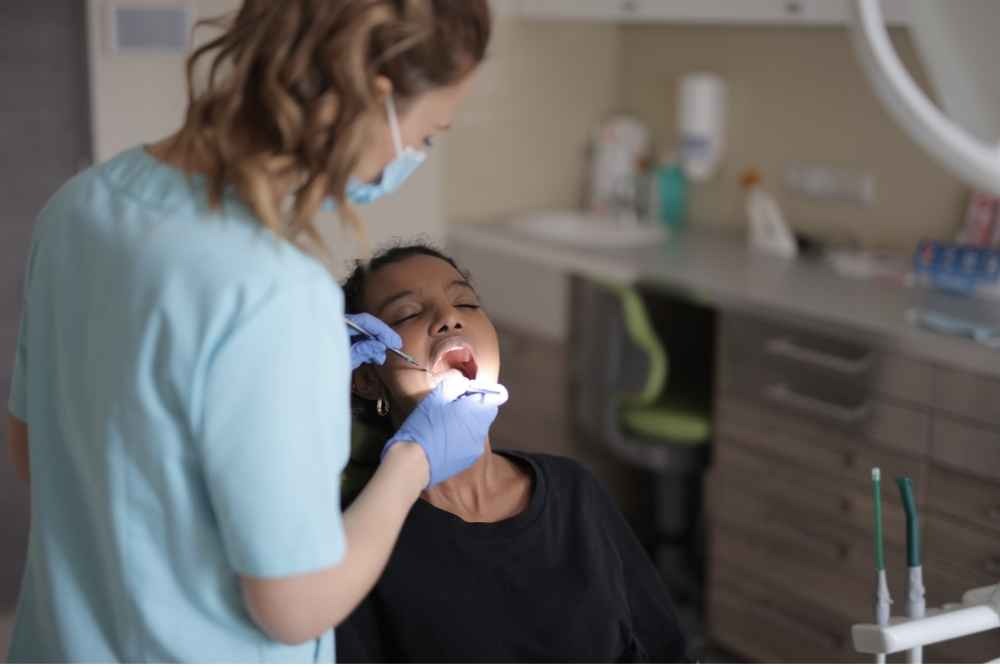
Where a tooth can be successfully treated and restored, root canal treatment may allow us to preserve your natural teeth rather than remove the affected tooth.
Extraction may be more appropriate if a tooth is too badly damaged to restore or has a poor long-term outlook.
We’ll consider the condition of the tooth, roots, supporting tissues and bite before explaining your options. Removing a tooth can also leave a gap in your smile that may later require a bridge, denture or dental implant.
Severe toothache doesn’t automatically mean you need an emergency root canal in Upminster, but intense pain, pain when biting, swelling or a dental abscess should be assessed promptly.
An emergency appointment allows us to identify the cause and provide appropriate dental care. Sometimes this may involve beginning root canal treatment, while other problems require a different approach.
If you have severe swelling or worsening symptoms, seek urgent dental advice. Call 999 or go to A&E if you’re finding it hard to breathe, speak or swallow, or if you have severe swelling affecting your mouth or eye.
Your mouth may remain numb for several hours after treatment, and the tooth can feel tender for a short period afterwards.
During your root canal recovery, avoid unnecessary pressure on the tooth until it has been fully restored, particularly if you have a temporary filling.
Continue brushing normally, attend any follow-up appointments and contact our practice if pain becomes severe or swelling increases.

Root canal treatment prices vary depending on whether treatment is NHS or private, which tooth needs treating and the complexity involved.
If you’re researching root canal cost Upminster, our current private fees for routine root canal treatment start from:
For more complex cases requiring specialist endodontic treatment, current fees start from:
Specialist treatment may be recommended for teeth with more complex root anatomy, previous unsuccessful root canal treatment or persistent infection. We’ll explain whether routine or specialist care is appropriate for your tooth, along with the relevant costs, before treatment begins.
If a crown or another restoration is needed afterwards, we’ll explain this and any additional costs before treatment. Finance options are also available for eligible private treatment, subject to status.
See our root canal treatment and specialist endodontics pages for current treatment fees, or our fees and finance page for information about payment options.
Yes, root canal treatment can be provided on the NHS where your dentist considers it clinically necessary and appropriate.
It is necessary dental care rather than cosmetic dentistry when used to treat disease or infection inside a tooth.
In England, NHS root canal treatment currently falls within NHS Band 2, £76.60 from 1 April 2026. If clinically necessary Band 3 treatment, such as a crown, is included within the course of treatment, a Band 3 charge may apply instead.
If you’re comparing NHS treatment with seeing a private dentist, we’ll explain the options and costs before you proceed.
Many root canals can be managed within general dentistry, while more complex cases may benefit from specialist endodontic care.
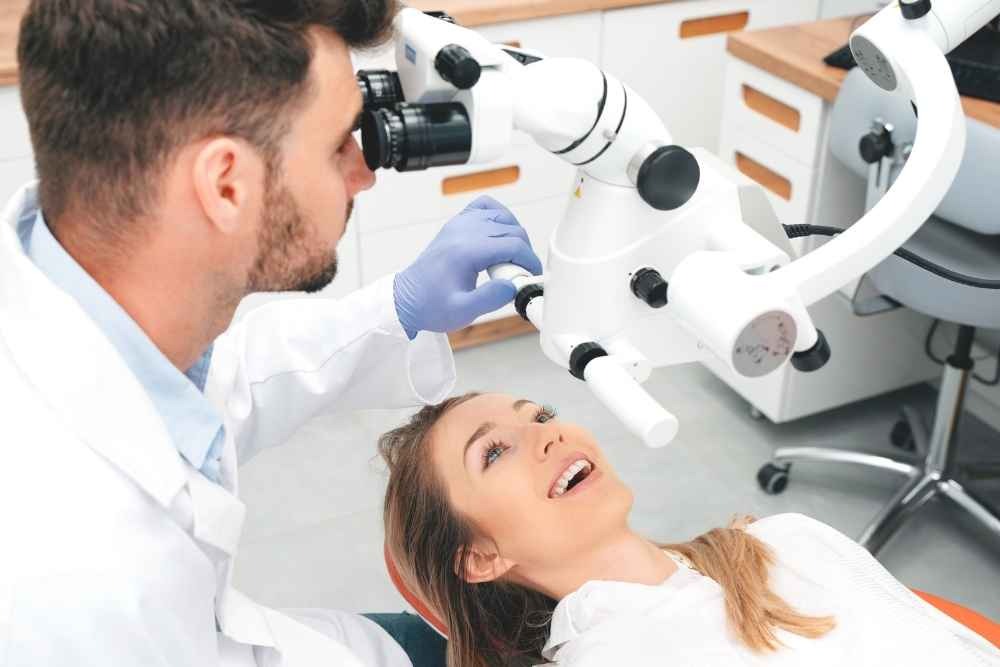
This may include teeth with narrow or curved canals, complex anatomy, previous unsuccessful treatment or persistent infection.
At our Upminster practice, we can provide routine root canal treatment alongside in-house specialist endodontic care using equipment including an operating microscope.
If you have toothache, swelling or sensitivity from your back teeth or front teeth, the first step is a dental assessment at Church View Dental practice.
We’ll examine the tooth, explain what’s causing your symptoms and discuss the appropriate treatment. If a root canal procedure in Upminster could help preserve your tooth and smile, we’ll explain exactly what’s involved. If another option is more suitable, we’ll explain that too.
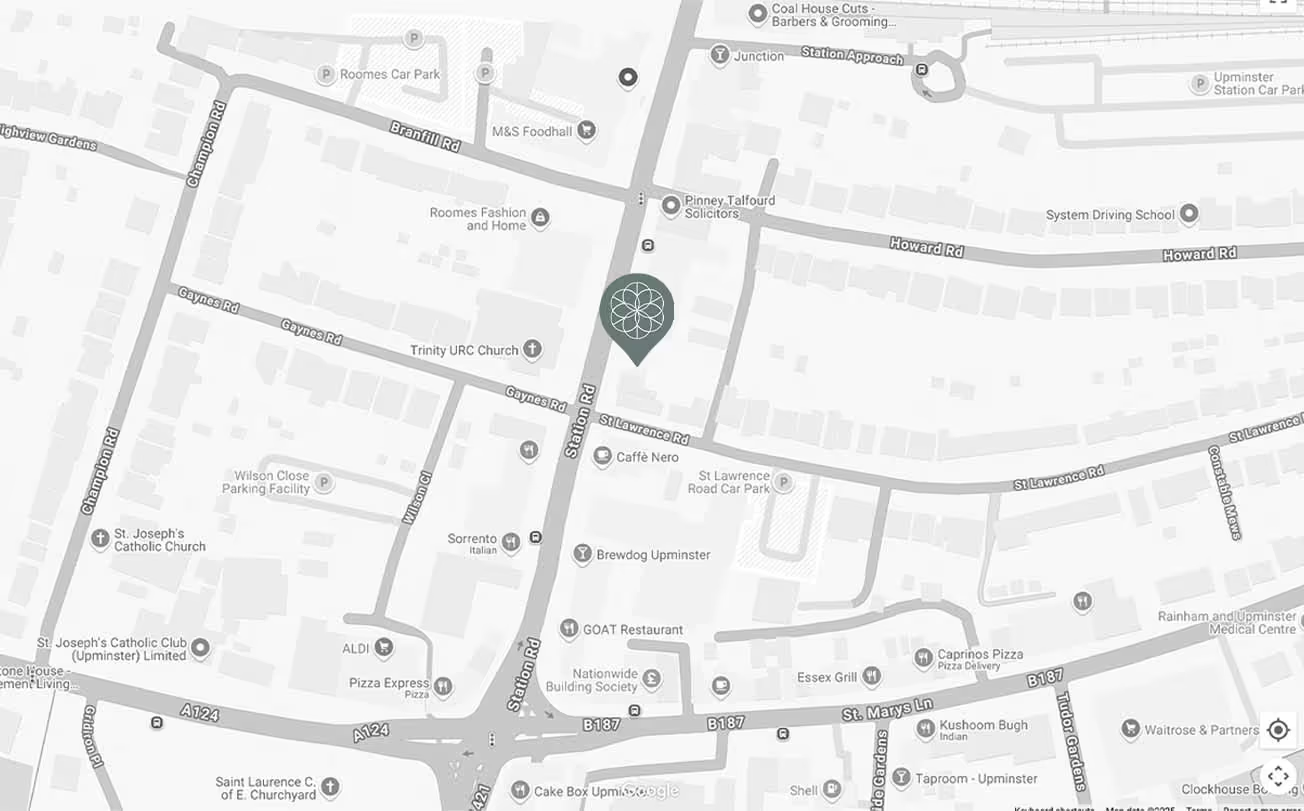
Our dental practice is at 34a Station Road, Upminster, RM14 2TR, close to Upminster station and welcoming patients from Hornchurch, Cranham, Elm Park, Rainham and surrounding areas. We’re also easily accessible from London, with direct train services from London Fenchurch Street to Upminster.
Become a Church View Dental member today

No, antibiotics alone usually can’t get rid of an infection inside the root canal system because the source of the infection generally needs dental treatment. Antibiotics may be prescribed if infection is spreading or causing systemic symptoms, such as fever or feeling unwell, but your dentist will decide whether they’re clinically appropriate.
Yes, most patients can drive home after root canal treatment carried out using local anaesthetic alone. If you’ve had sedation, different driving restrictions apply and your dental team will explain these before treatment.
Dentists don’t generally dislike doing root canals, but some root canal treatments are technically complex and require considerable precision. Straightforward cases can often be treated within general dentistry, while more complex cases at Church View Dental can be assessed for our in-house specialist endodontic service where appropriate.
Root canal treatment reviews can help you understand other patients’ experiences, particularly how clearly treatment was explained and how comfortable and supported they felt. Reviews are only one factor, so also consider the clinician’s experience, access to specialist endodontic care and whether treatment options and costs are explained clearly.
Yes, a root-filled tooth can occasionally become infected again. New decay, cracks or damage, leakage around a restoration or complex root canal anatomy can all contribute, and root canal retreatment may sometimes be possible.
Yes, you can eat after root canal treatment, but it’s usually best to wait until the local anaesthetic has completely worn off. Avoid putting excessive pressure on the treated tooth, particularly if you have a temporary filling, until your dentist confirms it has been fully restored.
If root canal treatment fails or the tooth doesn’t heal as expected, further treatment may sometimes still save it. Options can include root canal retreatment or specialist endodontic treatment, depending on the tooth, previous treatment and the cause of the problem.
A root canal-treated tooth can still be functioning normally 10 years after treatment, although no treatment lifespan can be guaranteed. Regular dental check-ups allow us to monitor root-filled teeth for decay, cracks, problems with restorations or other changes over time.
When choosing a root canal dentist near you in Upminster, look for a dentist who assesses the problem carefully, explains your treatment options and fees clearly and can access specialist care for more complex cases. At Church View Dental in Upminster, we provide routine root canal treatment alongside in-house specialist endodontic care where appropriate.
There is no single NHS waiting time for root canal treatment in England. Availability varies between dental practices and specialist services, so if you have severe toothache, swelling or worsening symptoms, seek dental advice rather than waiting for a routine appointment.
01708 220563
34a Station Rd,
Upminster,
RM14 2TR
Mon
Tue
Wed
Thu
Fri
Sat
Sun
9:00am - 6:00pm
9:00am - 6:00pm
9:00am - 6:00pm
9:00am - 7:00pm
9:00am - 4:00pm
9:00am - 1:00pm
Closed


Copyright Church View Dental 2025
This website was last updated on 13/08/2021 at 09:23