January 14, 2026
Composite bonding is often chosen by people who want to improve their smile in a subtle, natural-looking way, without invasive dental treatment. For patients in Upminster and across Essex and East London, it’s become a popular option for repairing small imperfections and boosting confidence, while keeping teeth largely untouched.
This guide explains how composite bonding works, what it can help with, and how to decide whether it’s the right option for your smile.

Composite bonding is a cosmetic dental treatment that uses a tooth-coloured resin to improve the appearance of teeth. The resin is applied directly to the tooth surface, shaped carefully, and polished to blend with your natural enamel.
Because little to no healthy tooth structure is removed, composite bonding is considered a conservative cosmetic treatment. It’s commonly offered by dentists in Upminster, Hornchurch, and surrounding Essex areas for patients looking for small but meaningful improvements.
Composite bonding is often used to improve:
Patients from Romford, Gidea Park, Elm Park and Rainham often explore composite bonding when they want their smile to look more even, without committing to more extensive cosmetic dentistry.
Many people choose composite bonding because it fits easily around everyday life. It’s widely seen as an accessible cosmetic option for patients across Upminster, Cranham, Harold Wood and Brentwood.
Common reasons patients consider composite bonding include:
These benefits make composite bonding appealing for patients balancing cosmetic goals with work, family and commuting routines.
A common question is whether composite bonding or veneers are the better choice.
Composite bonding focuses on small, targeted improvements. Veneers may be recommended when a more significant change is needed, or where long-term durability is the main priority.
A dentist will look at factors such as tooth condition, bite, expectations and lifestyle before advising which option is most suitable.

With good oral hygiene and regular dental check-ups, composite bonding often lasts several years. Its longevity depends on factors such as:
Patients from Havering, Collier Row, and the wider Essex border are usually advised on simple aftercare steps to help maintain bonded teeth and reduce wear.
Composite bonding is generally described as a comfortable treatment. It does not usually require anaesthetic, and most patients return to normal activities immediately afterwards.
This makes it a popular choice for patients who feel anxious about dental treatment or prefer a gentler cosmetic option.
Composite bonding may be suitable if you:
Patients from Ockendon, Aveley, Thurrock, and East London often explore composite bonding as a first step before considering more involved cosmetic treatments.
Even small cosmetic changes benefit from careful planning. Tooth shape, colour, alignment and bite all influence how natural the final result looks.
Church View Dental takes a personalised approach to cosmetic treatments, helping patients from Upminster and across Essex make informed decisions about their smile.

If you’re thinking about composite bonding and want to understand whether it’s right for you, a consultation allows you to explore your options in a calm, supportive setting. Your dentist can explain what’s possible, discuss alternatives if needed, and help you decide on the most appropriate next step for your smile.
Become a Church View Dental member today

Composite bonding is a cosmetic dental treatment that uses tooth-coloured resin to improve the shape, size or appearance of teeth by bonding material directly to the tooth surface.
Composite bonding is considered minimally invasive because little to no healthy tooth structure is removed during treatment.
Composite bonding is usually comfortable and does not typically require anaesthetic, as it involves adding material rather than drilling the tooth.
A dentist will assess your teeth, bite and cosmetic goals during a consultation to help you decide whether composite bonding or veneers are the most appropriate option.
A consultation with a local dentist such as Church View Dental allows you to discuss composite bonding, explore alternatives and receive personalised advice based on your smile.
Composite bonding is best suited to patients with healthy teeth and gums who want to correct minor cosmetic concerns, rather than extensive damage or bite issues.
Composite bonding is not permanent, but with good oral hygiene and regular dental care it can last several years before repairs or replacement are needed.
Composite bonding often lasts between five and seven years, depending on tooth position, bite forces, oral hygiene habits and ongoing dental care.
Composite resin can stain over time, particularly with frequent consumption of tea, coffee, red wine or tobacco, which is why good aftercare and regular dental visits are important.
After composite bonding, dentists usually advise avoiding biting hard objects, nail biting and using teeth as tools to help maintain the bonded areas.
Composite bonding material does not respond to whitening treatments, so whitening is usually recommended before bonding if a lighter shade is desired.
01708 220563
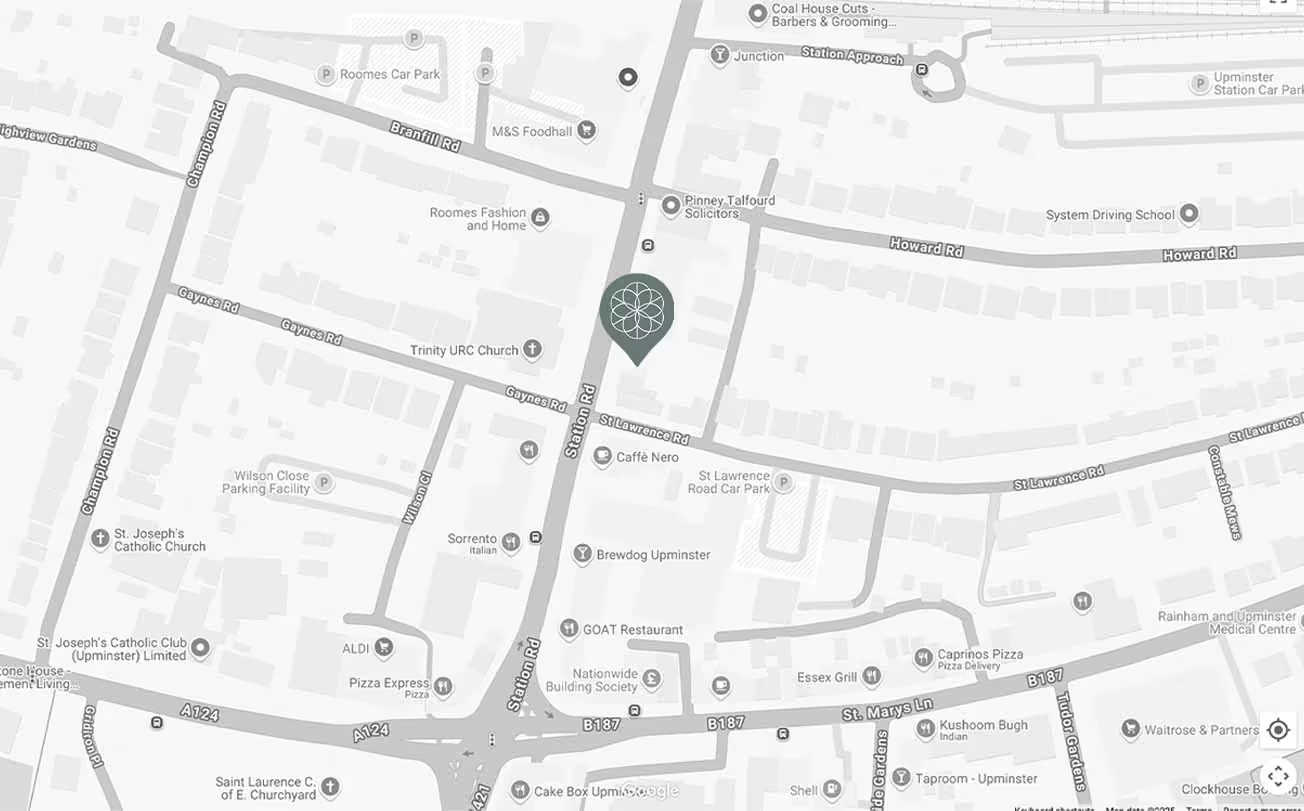
34a Station Rd,
Upminster,
RM14 2TR
Mon
Tue
Wed
Thu
Fri
Sat
Sun
9:00am - 6:00pm
9:00am - 6:00pm
9:00am - 6:00pm
9:00am - 7:00pm
9:00am - 4:00pm
9:00am - 1:00pm
Closed


Copyright Church View Dental 2025
This website was last updated on 13/08/2021 at 09:23