August 26, 2026
The start of a new school year brings plenty to remember - without toothache or a dental problem joining the list. The beginning of term can be a useful time for families searching for a children's dentist Upminster to arrange routine appointments, check that young teeth and gums are healthy and deal with small concerns early.

Church View Dental also provides NHS dental care for the wider family, making us a convenient NHS dentist Upminster patients can contact about current appointment availability and family dentistry check-ups.
Regular visits allow your dentist to monitor your child’s teeth, gums, bite and oral development. They can also identify early signs of decay, offer personalised brushing and diet advice and recommend preventive care where appropriate.
Children who visit from a young age can become familiar with the dental setting when nothing hurts. A quick, positive appointment can make the chair, lights and dental mirror feel ordinary, helping future visits feel less daunting.
Your child should first see a dentist when their first milk teeth appear, or by their first birthday. For a baby or toddler, the visit may simply involve sitting with a parent, meeting the team and letting the dentist take a gentle look inside their mouth.
Starting early gives parents a chance to ask about teething, brushing, fluoride and diet. It also helps the dentist identify concerns early and allows your child to build a positive relationship with dental care.
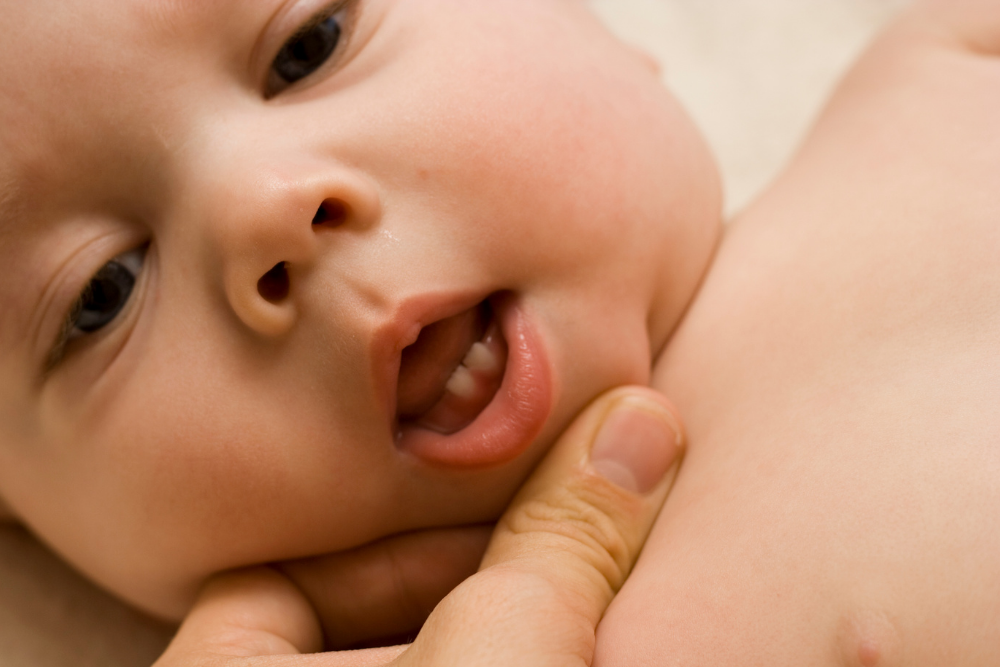
NHS dental check-ups and clinically necessary treatment are free for children under 18, and for young people under 19 who are in full-time education. NHS care can include examinations, preventive advice and treatment needed to keep the teeth, gums and mouth healthy.
Your dentist will explain what is clinically necessary, what can be provided through the NHS and whether any optional private choices are available. NHS availability can vary, so contact the practice directly before booking.
No, children are not automatically registered with an NHS dentist, even if their parent, carer or siblings already attend the practice. NHS dentistry does not use permanent patient registration in quite the same way as a GP surgery.
A parent or carer should contact the dental practice directly and ask whether NHS appointments for children are currently available. Where Church View Dental has availability, our reception team will take your child’s details, explain any forms or information needed and arrange their first check-up.
Children’s and adult NHS availability may differ, and families may sometimes be offered a place on a waiting list. You can contact any NHS dental practice accepting new patients, as you are not restricted to a particular catchment area. Families from Upminster, Hornchurch, Romford, Rainham, Brentwood and South Ockendon are welcome to ask Church View Dental about current NHS availability.
A child’s check-up is usually gentle and straightforward. At Church View Dental, we will look at your child’s teeth and gums, check how their bite and teeth are developing and ask whether you have noticed pain, sensitivity or difficulty brushing.
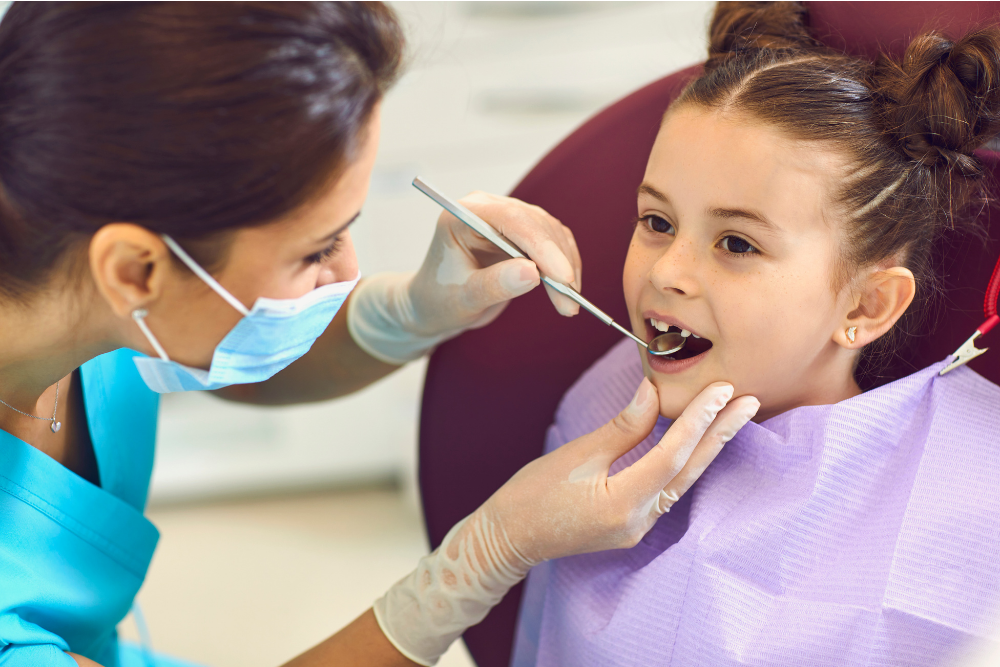
We may also discuss:
The appointment is adapted to your child’s age and confidence. Very young or nervous children may only manage part of the check at first, and that is still useful progress.
It is normal for a child to feel unsure about visiting the dentist, particularly if it is their first appointment or they have previously experienced pain.
Use simple, positive language and avoid phrases such as “it won’t hurt”, which can introduce the idea of pain. Rather than promising exactly what will happen, explain that the dentist will count and check their teeth and help keep them healthy. You might find our pages on dentistry for nervous patients and what to expect helpful too - and you can always reach out to our friendly reception team to answer any questions you may have.
Bringing your child to a parent’s routine appointment can also help the practice feel familiar. At Church View Dental, we use child-friendly language, explain each step and move at a pace your child can manage.
Brush your child’s teeth twice a day, including last thing at night, using fluoride toothpaste. Children under three should use a smear containing at least 1,000ppm fluoride. Children aged three to six should use a pea-sized amount, while older children will usually use toothpaste containing 1,350 to 1,500ppm fluoride.
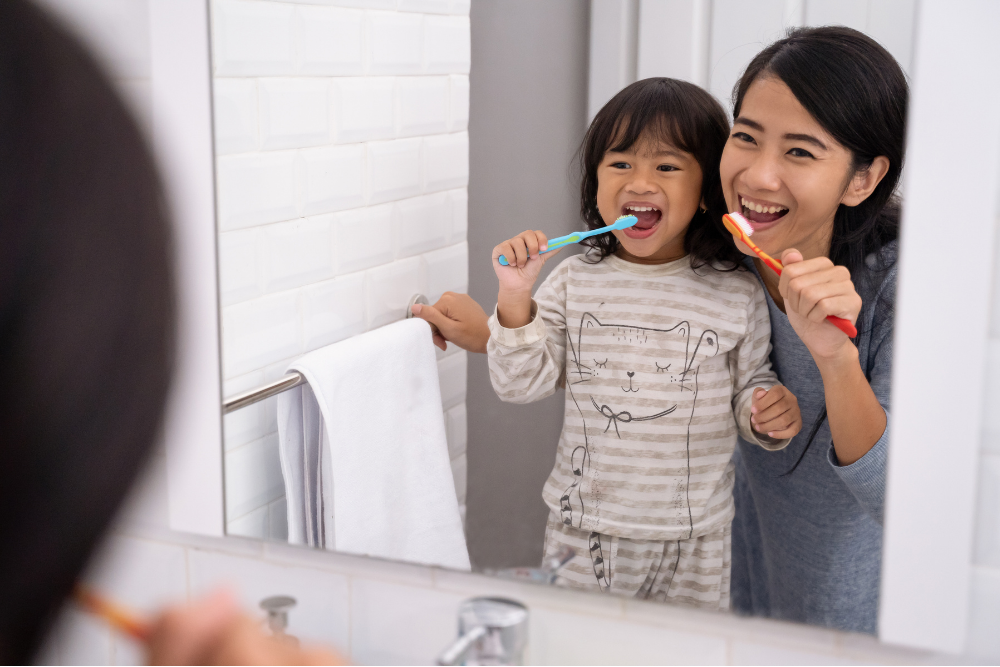
Younger children need an adult to brush for them. As they become more independent, continue to supervise until they can clean every surface effectively. Encourage them to spit after brushing rather than rinsing with water, so fluoride remains on the teeth.
How often teeth are exposed to sugar matters as well as the total amount. Keep sugary foods and drinks to mealtimes where possible, offer water between meals and avoid sugary food or drinks at bedtime.
The new term is a useful time to review lunchboxes and after-school snacks. Cheese, plain yoghurt, vegetable sticks and lower-sugar options can help reduce frequent sugar exposure.
Fissure sealants are thin protective coatings placed over the chewing surfaces of permanent back teeth. These teeth have grooves where food and bacteria can collect, so sealing them can make the surface easier to clean and help protect it from decay.
They are often considered when the first permanent molars appear at around six or seven, and as more permanent back teeth emerge. They are not needed by every child. Your dentist will assess your child’s teeth and decay risk, then explain whether fissure sealants or fluoride varnish may be appropriate and how that care can be provided.
To ask about an NHS dental appointment for your child, contact the dental practice directly and check current availability. Church View Dental’s reception team can take your child’s details, explain any forms or information required and arrange a first examination where possible. Ask separately about adult and children’s appointments, as availability may differ.
Families do not need to live in Upminster to ask Church View Dental about NHS children’s dental appointments. Our Upminster practice is accessible to families travelling from Hornchurch, Romford, Rainham, Brentwood and South Ockendon, subject to current NHS availability.
If you have been searching for a ‘children’s NHS dentist near me’ or ‘kid’s NHS dentist in Upminster’, contact us today. The NHS dentist finder can also help you search for practices accepting new child or adult patients.
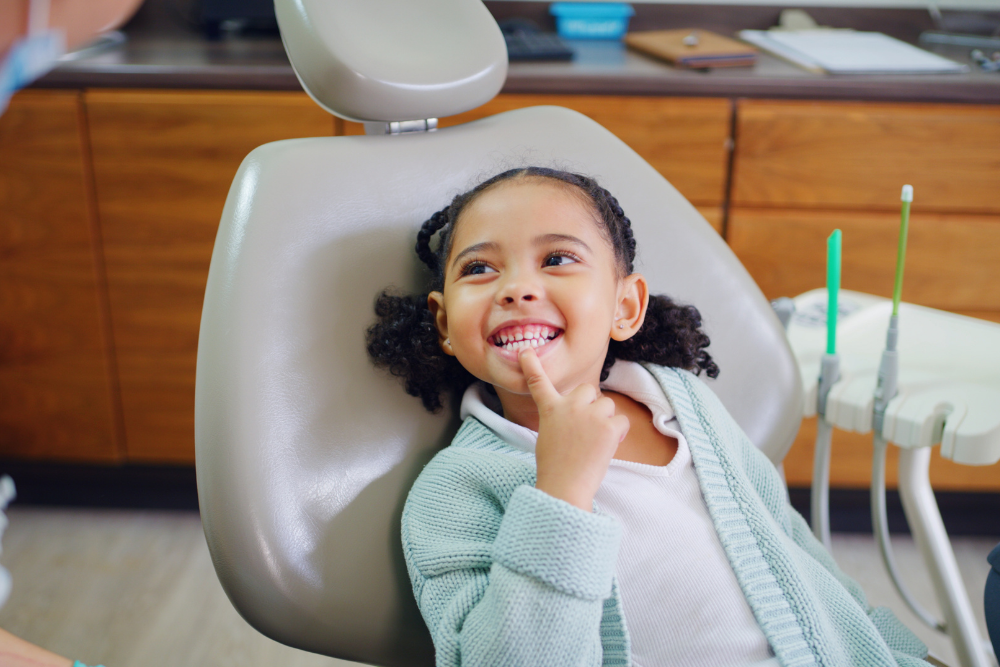
Getting everyone checked at the start of the school year can make family dental care easier to keep on top of. If your child is due a check-up, has not yet visited a dentist or feels nervous about attending, our team will take the time to help them feel comfortable.
To ask about registering with a family dentist in Upminster, call Church View Dental on 01708 220563 or use our online booking form. NHS appointments are subject to availability.
Become a Church View Dental member today

The best children’s dentist in Upminster will depend on your child’s needs, confidence and the type of dental care your family is looking for. Many families from Upminster, Hornchurch, Romford, Rainham, Brentwood and South Ockendon choose Church View Dental because we provide NHS children’s dentistry, take a calm and child-friendly approach, and focus on prevention from an early age. NHS appointments are subject to current availability.
Children should spit out excess toothpaste after brushing but should not rinse with water or mouthwash. Rinsing immediately afterwards washes away some of the concentrated fluoride left on the teeth, reducing its protection against tooth decay. Mouthwash is not routinely needed as part of every child’s dental care. Where a dentist recommends fluoride mouthwash, it should be used at a different time from brushing, such as after lunch or school.
Contact a dentist if your child chips, cracks or breaks a tooth at school, even if they are not in significant pain. If a piece has broken away, place it in milk or saliva and bring it to the appointment, as the dentist may sometimes be able to reattach it. Kids may not always be able to explain exactly what hurts, so look for sensitivity, swelling, bleeding or difficulty biting and arrange a dental visit promptly.
Yes, families can ask Church View Dental about arranging NHS children’s dentistry for siblings and other family members, subject to current appointment availability. Patients travelling from Hornchurch, Romford, Rainham, Brentwood and South Ockendon can contact our Upminster dental practice to discuss NHS care. Our reception team can provide information about current availability and explain the next steps for each family member, as children’s and adult NHS appointments may differ.
Fluoride varnish strengthens the surface of the teeth, while fissure sealants form a thin protective covering over the grooves of permanent back teeth. Both are used in preventive dentistry to help lower the risk of tooth decay, but they work in different ways. The dental team will consider your child’s age, oral health and individual risk of decay before recommending either treatment.
Most kids can begin brushing more independently from around age seven, although they may still need supervision to maintain good oral hygiene. Parents should brush or closely support younger children from the appearance of their first baby teeth. Children can use either a manual or powered toothbrush, provided it is suitable for their age. A small brush head can make it easier to reach every tooth, and a kids dentist or one of the practice hygienists can offer guidance during a dental visit.
No, fissure sealants are not automatically needed by every child. Their importance will depend on the shape of the permanent back teeth, how easily they can be cleaned and the child’s risk of decay. The dental team will assess the teeth and explain whether sealants could support your child’s long-term dental health. They are often considered as permanent molars begin appearing from around age six or seven.
Give age-appropriate paracetamol or ibuprofen if it is suitable for your child, following the instructions on the packet, and arrange dental care promptly. Medicine for younger children is often available in liquid form. Children under 16 should not take aspirin, and children should not rinse with salt water because they may swallow it. Seek urgent advice if the toothache is accompanied by facial swelling, fever or difficulty swallowing.
The dental team can adapt a child’s appointment around their confidence, anxiety, communication preferences and individual needs. This might include using simple language, explaining equipment before it is used, allowing extra time or completing the visit gradually. Parents and carers can tell the reception team about any special needs, sensory sensitivities or previous difficult experiences when booking. This gives the team information that may help them prepare and make the dental practice feel more comfortable for both children and their families.
Yes, a well-fitting mouthguard is recommended for kids taking part in contact or ball sports such as rugby, hockey or football. A mouthguard can help protect the teeth and jaws from dental trauma. The fit should be checked regularly because children’s mouths continue to develop. A new mouthguard may be needed as adult teeth appear or the existing one becomes uncomfortable.
01708 220563
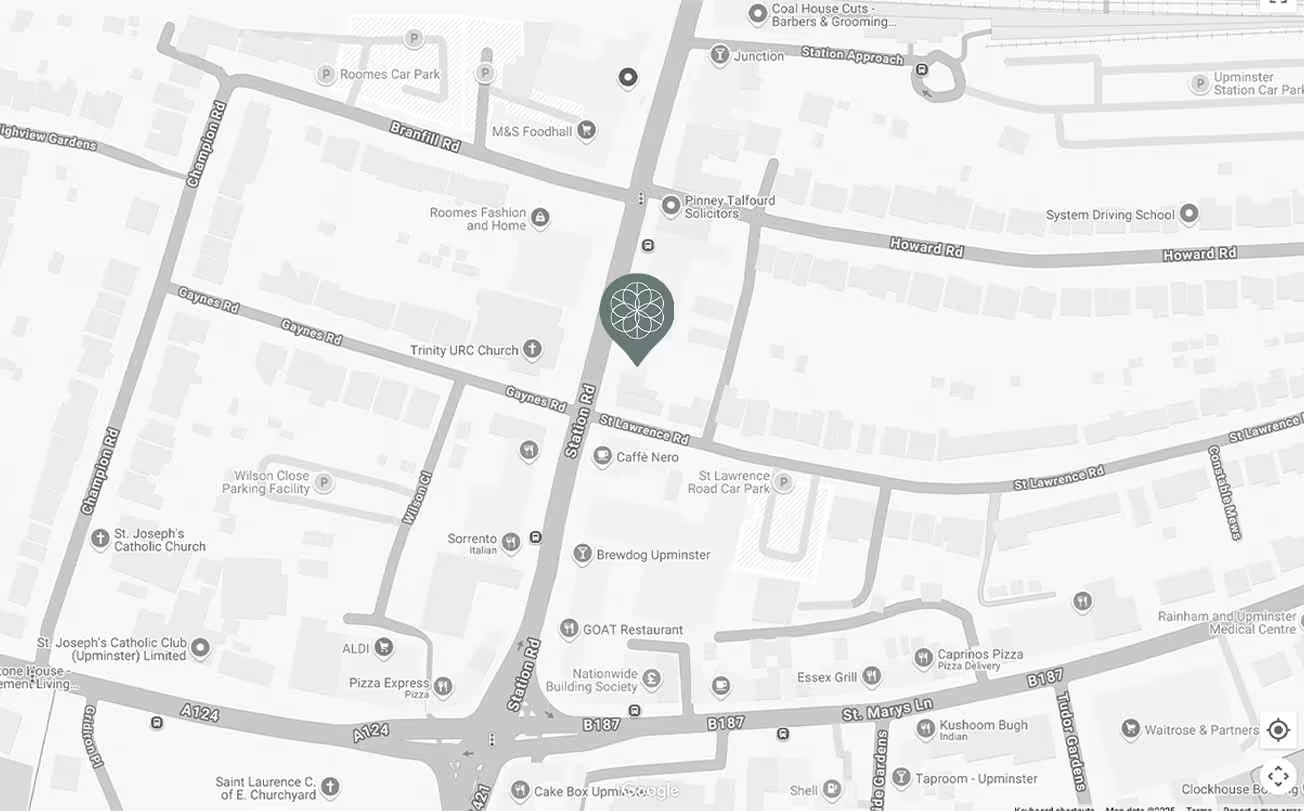
34a Station Rd,
Upminster,
RM14 2TR
Mon
Tue
Wed
Thu
Fri
Sat
Sun
9:00am - 6:00pm
9:00am - 6:00pm
9:00am - 6:00pm
9:00am - 7:00pm
9:00am - 4:00pm
9:00am - 1:00pm
Closed


Copyright Church View Dental 2025
This website was last updated on 13/08/2021 at 09:23