June 24, 2026
Losing a tooth - or multiple teeth - often affects more than appearance alone. Many people become increasingly aware of the gap when they smile, eat or speak, while others notice changes in their confidence or day-to-day comfort.
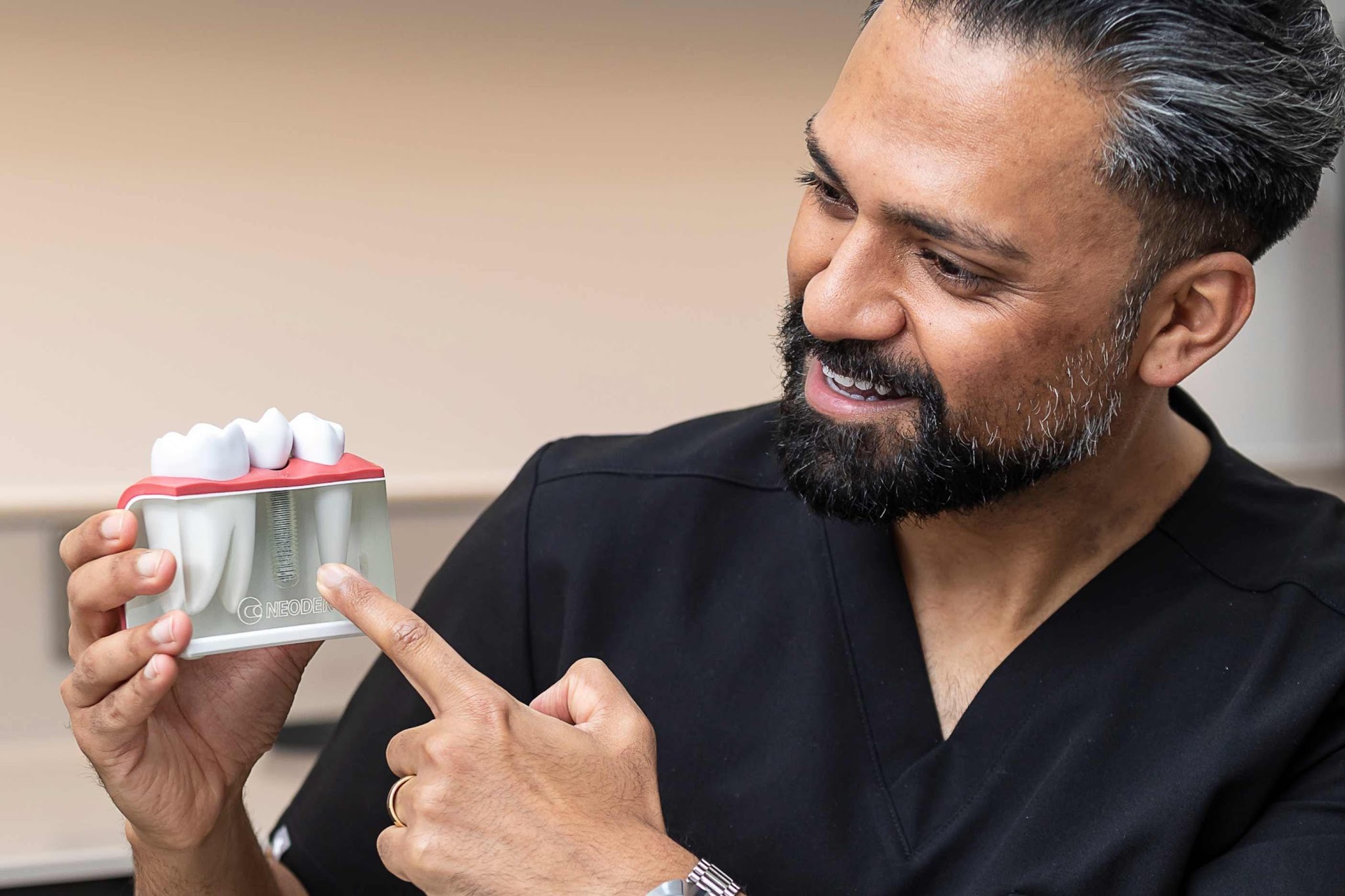
If you're researching dental implants in Upminster, you're probably looking for clear answers to replacing missing teeth and restoring your smile. How much do dental implants cost? What does treatment involve? Is it painful? And how do implants compare to other tooth replacement options?
Choosing an experienced dentist in Upminster is an important first step. This guide explains how dental implant treatment works at Church View Dental, what influences the cost, and whether implants may be the right solution for your smile and long-term oral health.
For patients searching for tooth replacement in Upminster, dental implants are often seen as one of the closest alternatives to a natural tooth.
Unlike dentures, which sit on the gums, or bridges, which rely on neighbouring teeth for support, a dental implant replaces both the visible tooth and the root beneath the gumline. This helps restore stability, supports your smile and allows many patients to eat and speak with greater confidence.
A small titanium implant is carefully placed into the jawbone and allowed to heal. Once integrated with the bone, it provides a secure foundation for a custom-made crown designed to blend naturally with your surrounding teeth.
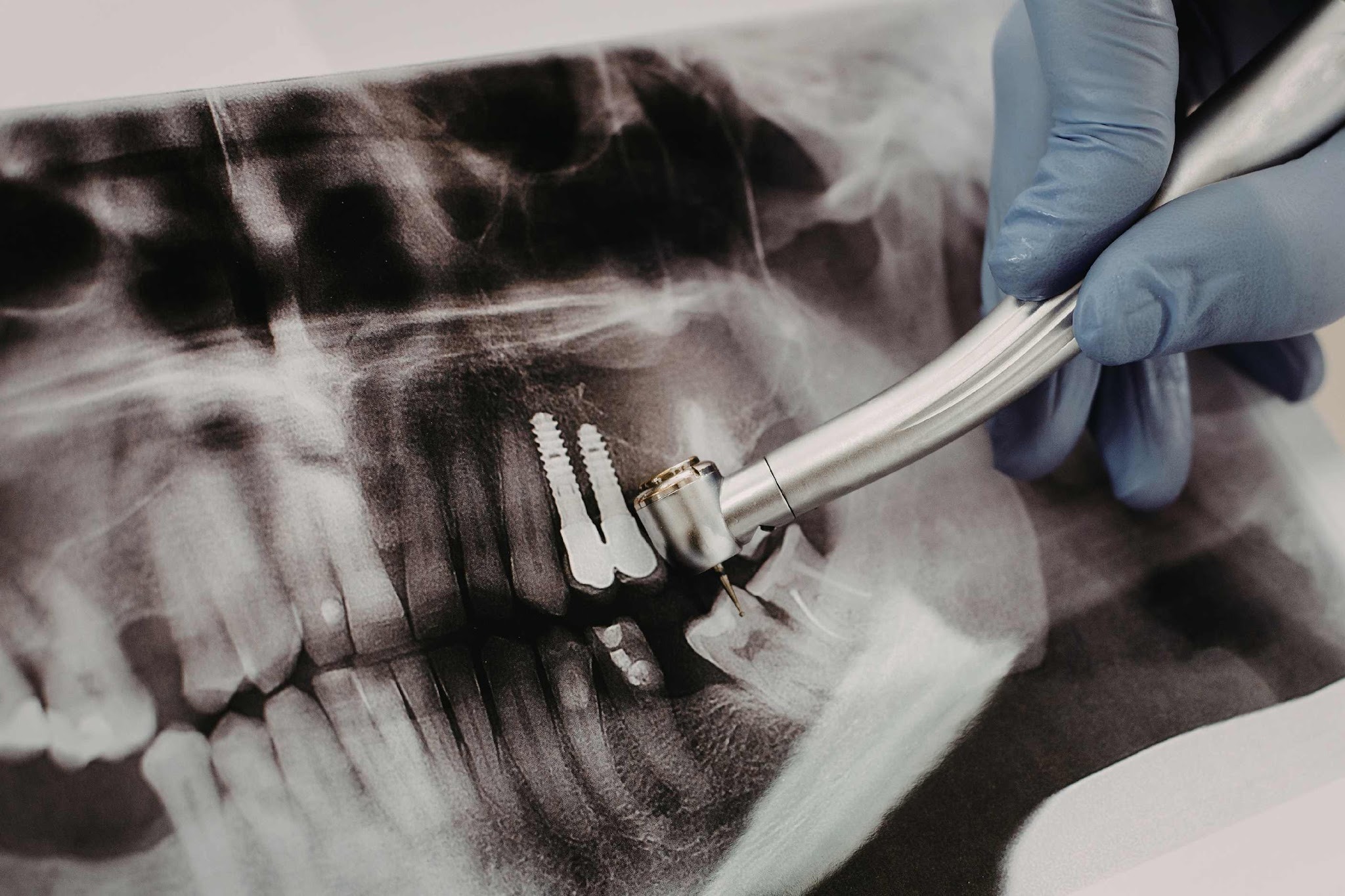
Many patients choose dental implants because they offer a range of benefits, including:
For many people looking for a long-term tooth replacement solution in Upminster, dental implants offer a predictable and reliable option.
One of the most common concerns patients have is simply not knowing what to expect. Understanding each stage of treatment often helps people feel more confident about moving forward.
Your journey begins with a dental implant consultation, which includes a CT scan. The fee for this appointment is redeemable against implant treatment should you decide to proceed.
The CT scan provides a detailed three-dimensional view of your teeth, jawbone and surrounding structures. This helps your dentist assess whether dental implants are suitable, determine the most appropriate treatment approach and plan implant placement with precision.
During this appointment, you'll also have the opportunity to discuss your concerns, ask questions about costs and timescales, and understand the options available to you.
Using the information gathered during your consultation and CT scan, your dentist will create a personalised treatment plan tailored to your needs.
This will include:
You'll have plenty of opportunity to ask questions before deciding whether you'd like to proceed.
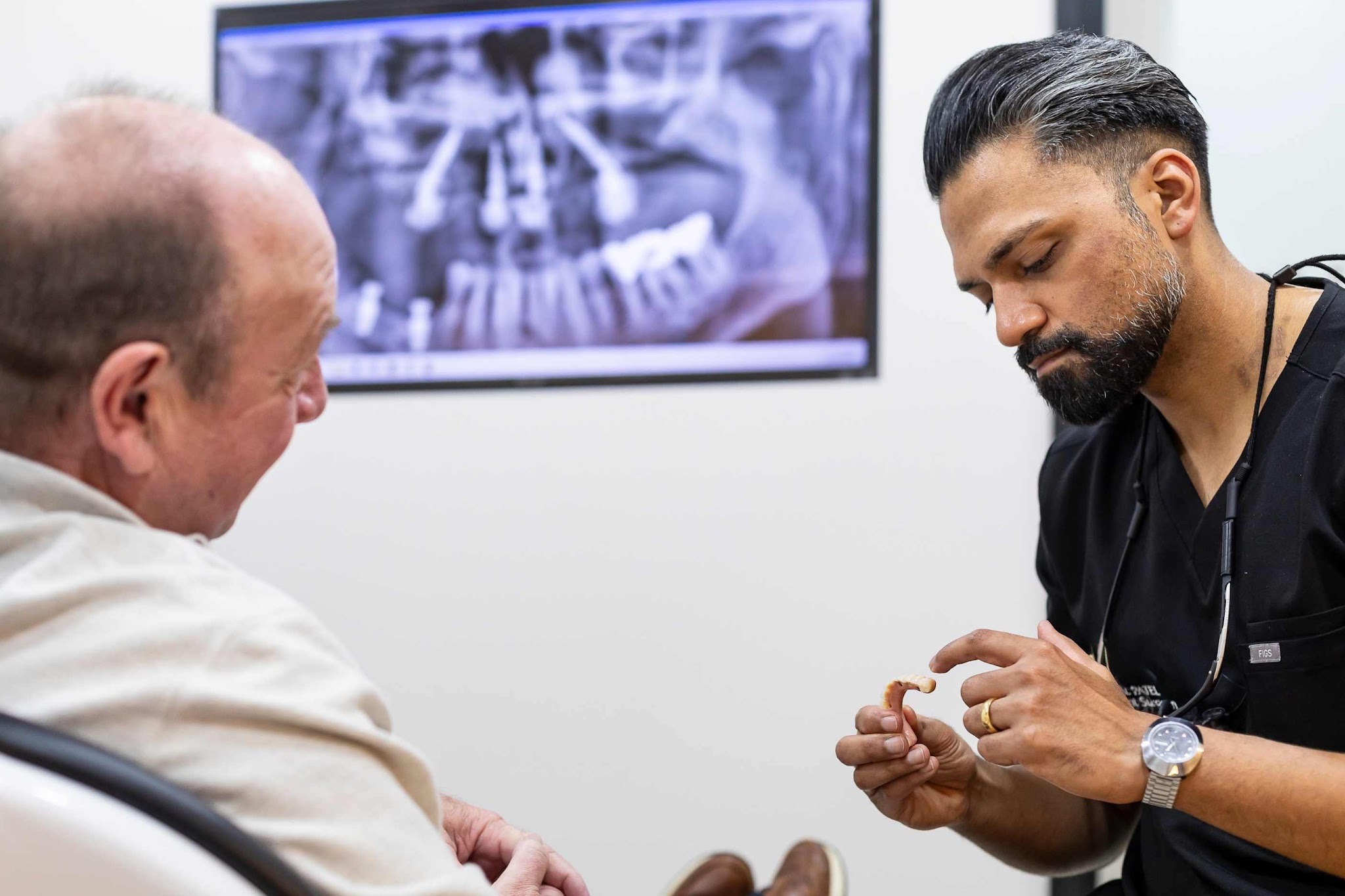
Once you've agreed on your treatment plan, you'll return for a dedicated implant placement appointment. The implant is placed into the jawbone using local anaesthetic. Many patients find the procedure more straightforward than they expected. The area is fully numbed beforehand, and your dentist will talk you through each stage of treatment to help you feel informed and comfortable.
Over the following months, the implant gradually bonds with the jawbone through a natural process known as osseointegration.
This stage is essential because it creates the strong foundation needed to support your final replacement tooth. Healing times vary from patient to patient, although many people complete this phase within three to six months.
Once healing is complete, you'll return for the final stage of treatment. Our implant dentist will attach an abutment (a small connector piece) to the dental implant, before securing your custom-made crown. The crown is the visible replacement tooth, carefully designed to match the appearance and function of your natural teeth.
The finished result is designed to restore the appearance of your smile while helping you eat, speak and smile with confidence.
This is one of the most frequently asked questions about dental implants, and understandably one asked frequently by those who consider themselves nervous patients.
Most patients report that dental implant treatment is more comfortable than they anticipated. Local anaesthetic is used throughout the procedure, meaning the area is numb during treatment. Afterwards, some soreness, swelling or mild discomfort is normal for a few days. The level of pain experienced varies between patients, but many compare recovery to a routine tooth extraction.
Your implant dentist will provide detailed aftercare guidance to help keep discomfort to a minimum and support a smooth recovery.
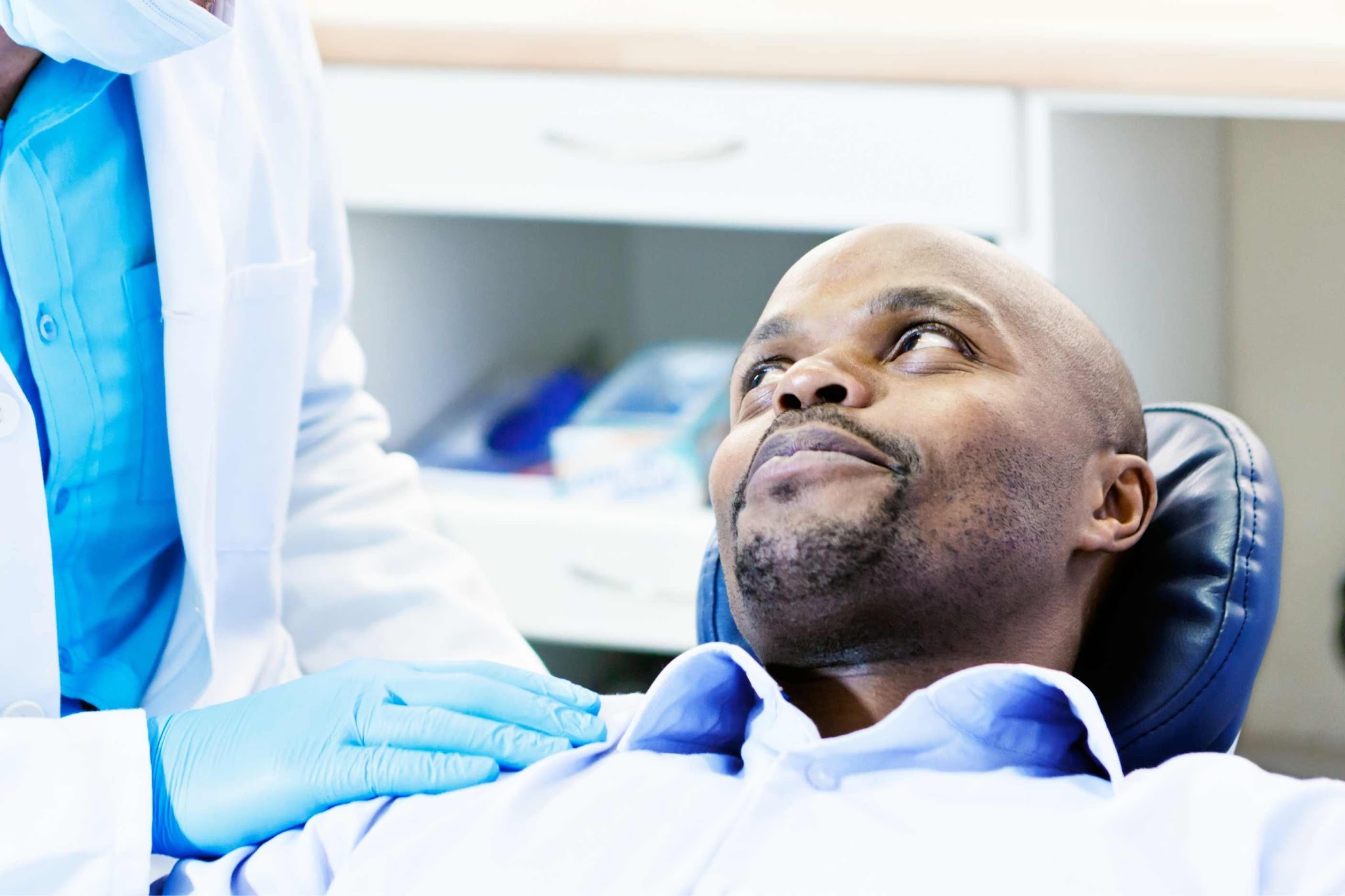
If you're feeling anxious about treatment, we’re here to support you. Many implant patients initially have concerns about discomfort or the procedure itself. Our team takes time to explain each stage clearly and support nervous patients throughout their treatment journey. You can learn more about our approach to caring for nervous patients here.
One of the most common questions patients ask is about dental implants cost UK figures and how local treatment compares.
The cost of dental implants varies depending on several factors, including:
Across the UK, a single tooth implant often costs between £2,000 and £3,500 or more depending on the treatment involved. For a full breakdown of our current dental implant costs and available finance options at Church View Dental, please visit our fees page here.
While comparing prices is understandable, it's important to look beyond the headline figure. Implant treatment involves careful planning, surgery, reviews during healing and the final restoration.
At Church View Dental, you'll receive a personalised treatment plan with clear costs explained before treatment begins, allowing you to make an informed decision about your dental care.
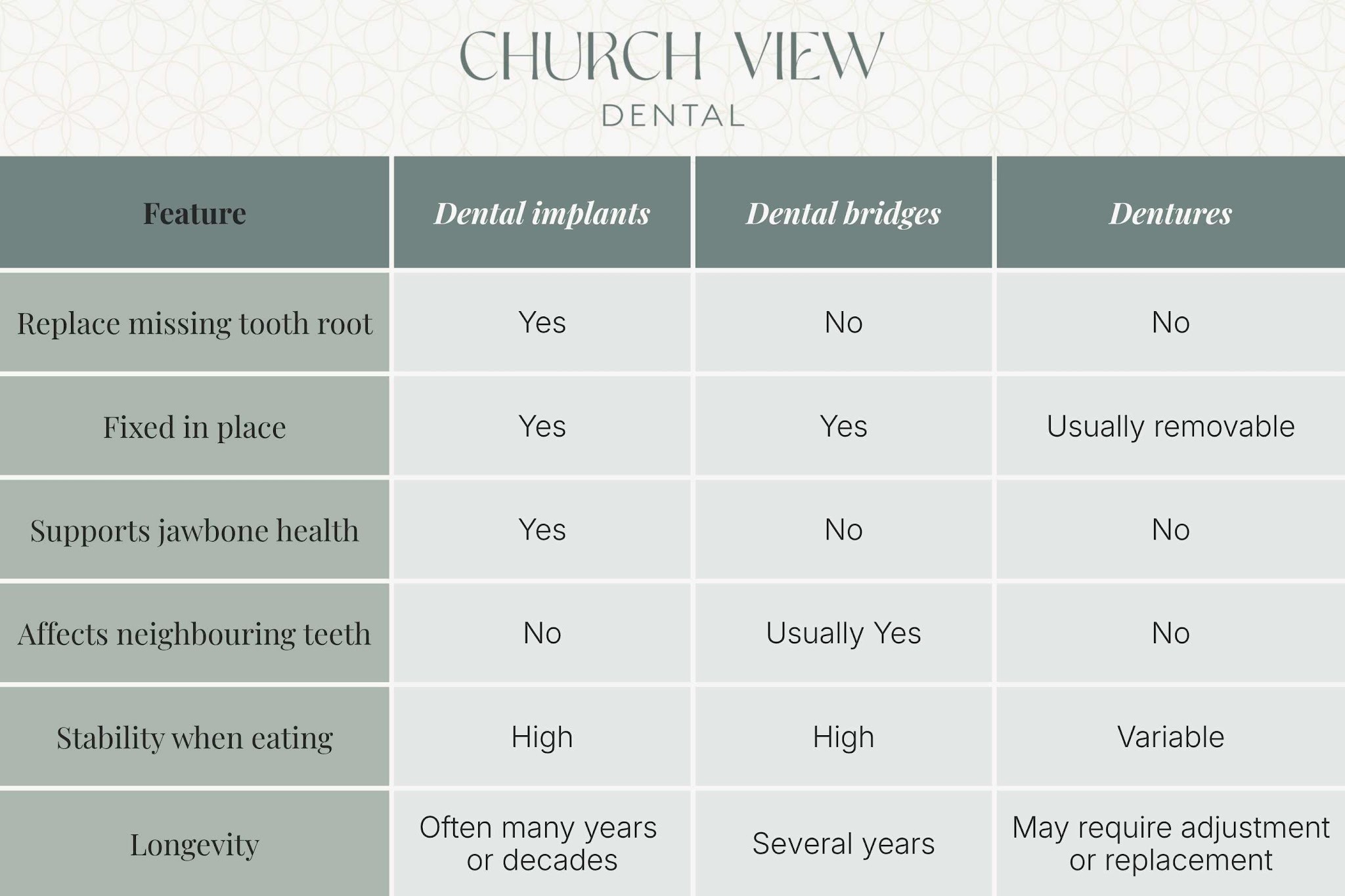
If you're exploring tooth replacement options in Upminster, you may be weighing up dental implants, bridges and dentures.
Dental implants
Dental bridges
Dentures
The right option depends on your oral health, budget, lifestyle and treatment goals. During your consultation, your dentist will explain the advantages and considerations of each option to help you make an informed decision.
Not every patient needs the same type of dental implant treatment. The most suitable option depends on how many teeth are missing, the condition of your jawbone and your long-term goals.
For example, a single tooth implant may be appropriate if you've lost one tooth and want a fixed replacement that looks and functions naturally. Patients missing several teeth may benefit from implanted dentures, which offer greater stability than traditional removable dentures.
For patients looking to replace a full arch of teeth, All-on-4 same day teeth treatment may provide a fixed solution supported by a small number of strategically placed implants.
In some cases, additional preparation is recommended before implant placement. Bone and sinus grafts help rebuild areas where bone has been lost, creating a stronger foundation for treatment. Patients with significant bone loss may also be suitable for specialist solutions such as zygomatic implants in Upminster.
During your consultation, your implant dentist will explain which option is most appropriate for your needs and create a personalised treatment plan.
Many adults are suitable candidates for dental implants, but healthy gums are an important part of successful treatment.
You may be suitable if you:
Certain factors may affect treatment planning, including:
If gum disease is present, treatment may be recommended before proceeding with dental implants. An experienced dentist in Upminster will assess your oral health and discuss the most appropriate options for your situation.
Age alone does not prevent someone from having dental implants to replace missing teeth.
Many patients assume implants are only suitable for younger adults, but this is not the case. People in their 60s, 70s and beyond successfully undergo implant treatment every year.
What matters most is your overall health, bone quality and the condition of your gums rather than your age.
Dental implants are designed as a long-term tooth replacement solution.
With good oral hygiene, regular dental hygiene appointments and ongoing reviews, many implants continue functioning successfully for decades.

Like natural teeth, implants require ongoing maintenance. Looking after your oral health remains an important part of protecting your investment and supporting your smile long-term.
Many patients are interested in dental implants to improve their smile and confidence, but worry about paying for treatment all at once.
To help make treatment more accessible, Church View Dental offers finance options that allow eligible patients to spread the cost through monthly payments.
During your consultation, the team will explain the options available and answer any questions you may have.
Many patients researching dental implants cost UK options find that finance helps make treatment more manageable while allowing them to move forward sooner.
You may wish to consider a dental implant if:
A consultation is the best way to understand whether dental implants may be suitable for your individual needs.
If you're researching dental implants in Upminster or exploring options for tooth replacement in Upminster, the team at Church View Dental is here to help.
Your dental implant consultation also includes a CT scan, and gives you the opportunity to discuss your concerns, understand the treatment process and receive personalised guidance based on your oral health and goals.
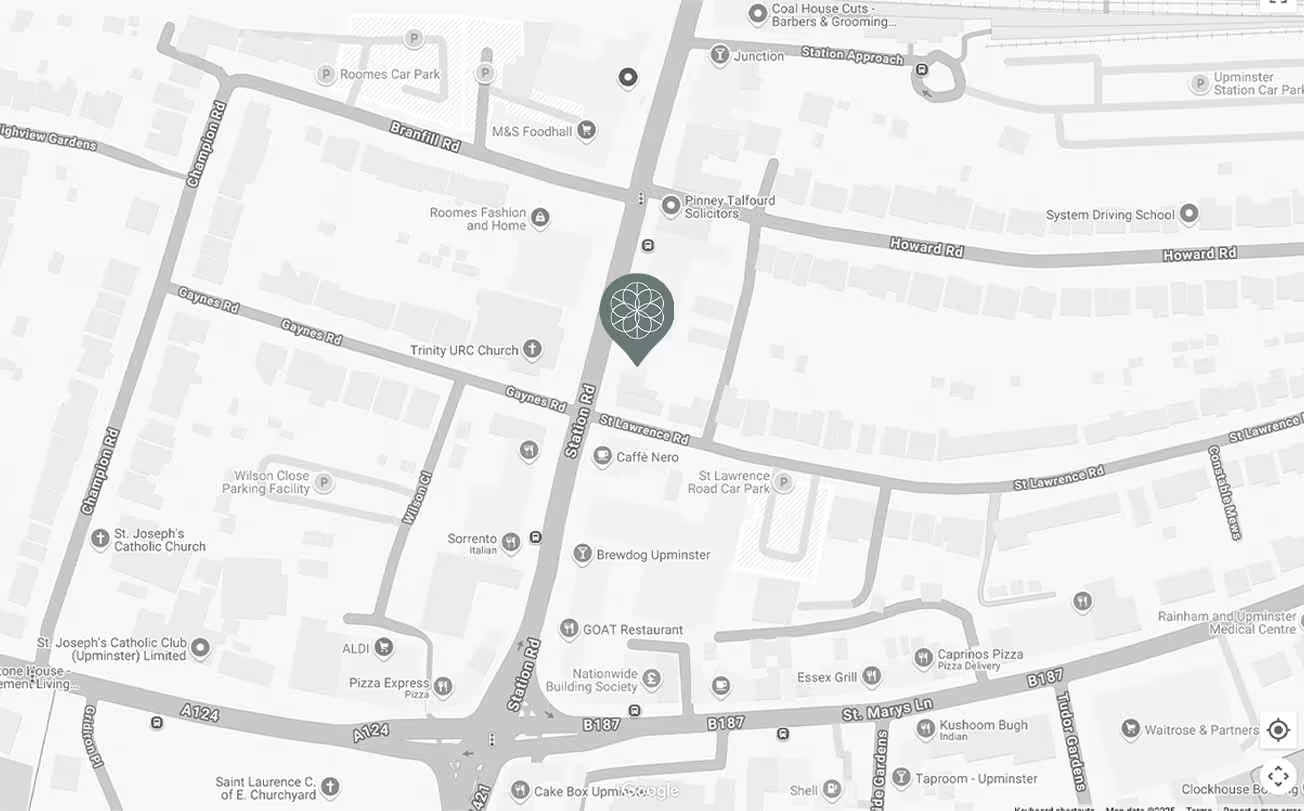
Church View Dental is conveniently located in Upminster, making appointments easy for local residents and those travelling from London Fenchurch Street and surrounding areas.
Get in touch today to arrange your consultation and find out whether dental implants could be the right solution for restoring your smile.
Become a Church View Dental member today

Many people with autoimmune conditions can have dental implants, although suitability depends on the specific condition, medications and overall oral health. Your dentist will assess this during your consultation before recommending treatment. As with all modern dentistry, treatment decisions are always based on your individual circumstances and long-term oral health needs.
Many patients have dental implants several years after tooth loss. During your consultation, your dentist will assess your bone levels and determine whether any additional treatment is needed before implant placement. Advances in dentistry mean many patients remain suitable candidates even after living with a gap for several years.
Dental implants are often used to improve stability and support for patients who find traditional dentures uncomfortable or loose. Many patients find implant-supported solutions feel more secure when eating and speaking. They can also form part of wider dental treatments designed to improve comfort, confidence and everyday function.
Dental implants are associated with strong long-term outcomes when patients maintain good oral hygiene and attend regular reviews. If you experience unexpected symptoms following treatment, it's important to contact the practice for advice rather than waiting for the issue to worsen. The need for emergency dentistry following implant treatment is uncommon, but prompt assessment is always recommended if concerns arise.
Leaving a missing tooth untreated may lead to movement of neighbouring teeth, changes in your bite and gradual bone loss within the jaw. Replacing missing teeth early often helps preserve oral health and function. In some cases, untreated gaps can also affect the way your smile looks and feels over time.
A dental implant in the UK often costs between £2,000 and £3,500 or more, depending on the complexity of treatment and whether additional procedures are required. Your personalised treatment plan will include a clear breakdown of costs from our dental practice, helping you make an informed decision about treatment. For current dental implant costs in Upminster at Church View Dental, you may wish to visit our fees & finance page.
Dental implants should be cleaned every day using good brushing and interdental cleaning techniques, alongside regular dental hygiene appointments. Looking after your implant is an important part of maintaining a healthy smile. Ongoing dentistry reviews help ensure your implant and surrounding gums remain healthy.
Dental implants, Invisalign and composite bonding can sometimes form part of a wider treatment plan, depending on your goals. Your dentist will discuss whether additional cosmetic dentistry treatments may be appropriate once implant treatment is complete. In some cases, patients work with a cosmetic dentist to explore options for improving the overall appearance of their smile.
Church View Dental offers finance options for eligible patients, helping spread the cost of dental implant treatment over manageable monthly payments. We welcome patients from Upminster and across Essex who are exploring their tooth replacement options. Many patients choose to explore finance as a way of making treatment more accessible. As one of many dentists in Essex offering implant treatment, Church View Dental is committed to providing clear information about costs and payment options before treatment begins.
Most patients begin with softer foods during the initial healing period before gradually returning to their normal diet as healing progresses. Your dentist will provide detailed aftercare guidance to support healing and minimise discomfort within the mouth. Following these recommendations helps support successful healing and long-term implant stability.
01708 220563
34a Station Rd,
Upminster,
RM14 2TR
Mon
Tue
Wed
Thu
Fri
Sat
Sun
9:00am - 6:00pm
9:00am - 6:00pm
9:00am - 6:00pm
9:00am - 7:00pm
9:00am - 4:00pm
9:00am - 1:00pm
Closed


Copyright Church View Dental 2025
This website was last updated on 13/08/2021 at 09:23