September 16, 2026
If you’re considering composite bonding in Upminster, you may already have an idea of what the treatment involves. The questions that often come next are more practical: how much does it cost, what can it realistically change, how long does composite bonding last, and what happens if it chips or stains over time?

At our dental practice in Upminster composite bonding is a private cosmetic dentistry treatment that uses tooth-coloured composite resin to make subtle changes to the shape, colour or appearance of your teeth. Our team has experience in planning composite bonding for concerns such as chips, small gaps, uneven edges and areas of discolouration, usually while preserving most or all of the natural tooth underneath.
Most treatments can be completed in one appointment, and drilling or local anaesthetic isn’t normally required.
Composite bonding, sometimes called teeth bonding, dental bonding or cosmetic bonding involves applying a carefully selected composite resin directly to a tooth.
We shape the material before hardening and polishing it so that it blends naturally with the surrounding teeth. Depending on your needs, bonding may be considered for:
There’s also some overlap between bonding and composite veneers. Bonding often involves adding material to particular areas of a tooth, while a composite veneer may cover more of its visible front surface.
If you’re considering dental veneers, composite bonding or another type of tooth restoration in Upminster, we can assess your teeth and explain what could realistically work for your smile.
Composite bonding before and after photographs can be useful when you’re researching treatment, particularly for seeing how bonding may change chips, gaps, uneven edges or tooth proportions.
They can’t predict exactly how your own results will look. Every patient starts with different teeth, bite, colour, alignment and smile proportions, so treatment needs to be planned individually.
Our Smile Gallery includes examples of cosmetic dentistry carried out for our patients and can help you understand the type of changes that may be possible.
Your treatment begins with an initial consultation rather than going straight into bonding.

We’ll examine your teeth and gums, assess your bite and listen to what you’d like to change. Your dentist can then explain whether composite bonding is appropriate or whether another treatment may better suit your dental health and goals.
If you go ahead, the tooth surface is prepared so the resin can bond effectively. The composite is applied, carefully shaped, hardened and polished.
Most composite bonding at our Upminster dental practice can be completed within one appointment. Because the treatment usually involves adding material rather than removing significant healthy enamel, drilling and injections aren’t normally needed.
If you have decay, gum disease or dental pain, however, we’ll need to assess and treat the underlying problem before carrying out purely cosmetic work.
If you’re researching composite bonding cost Upminster, the total will depend mainly on how many teeth you’d like treated and the changes required.
At Church View Dental, composite bonding currently starts from £299 per tooth. Our smile consultation is £50, which is redeemable against treatment if you decide to go ahead.
A small repair to one chipped tooth will naturally have a different overall cost from treating multiple teeth or creating several composite veneers. Following your consultation, we’ll explain your options and provide a personalised treatment plan before you decide whether to proceed.
Finance options are also available if you’d prefer to spread the cost - see current fees and finance for composite bonding in Upminster here.
Composite bonding isn’t the only cosmetic dental treatment in Upminster that can change the appearance of your smile, and the most appropriate option depends on what you’d like to address.
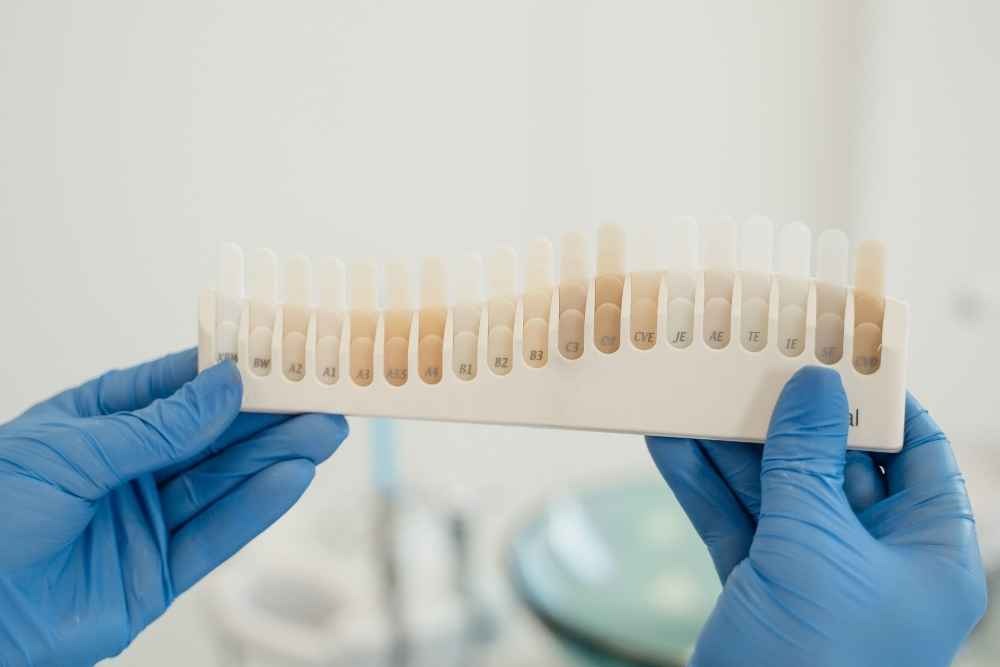
A few other innovative treatments are:
Some patients may benefit from a combination of treatments as part of a carefully planned smile makeover, rather than treating every concern with composite alone.
Our Upminster cosmetic dentist will explain the benefits, limitations and likely maintenance involved with the options relevant to you.
If you’re considering both teeth whitening and composite bonding, it’s important to discuss the treatment order before starting.
Professional whitening gel lightens natural tooth enamel, but it doesn’t whiten existing composite resin, fillings, crowns or dental veneers.
For this reason, teeth whitening is often considered before new bonding where a patient wants a lighter overall shade. The composite can then be colour-matched to the whitened teeth once the shade has settled.
This doesn’t mean whitening is necessary before bonding. If you’re happy with the existing colour of your smile, there may be no reason to include it. We’ll plan any whitening and bonding around your own teeth rather than automatically recommending additional cosmetic treatment.
Composite bonding improves existing natural teeth, so it isn’t a replacement for missing teeth.
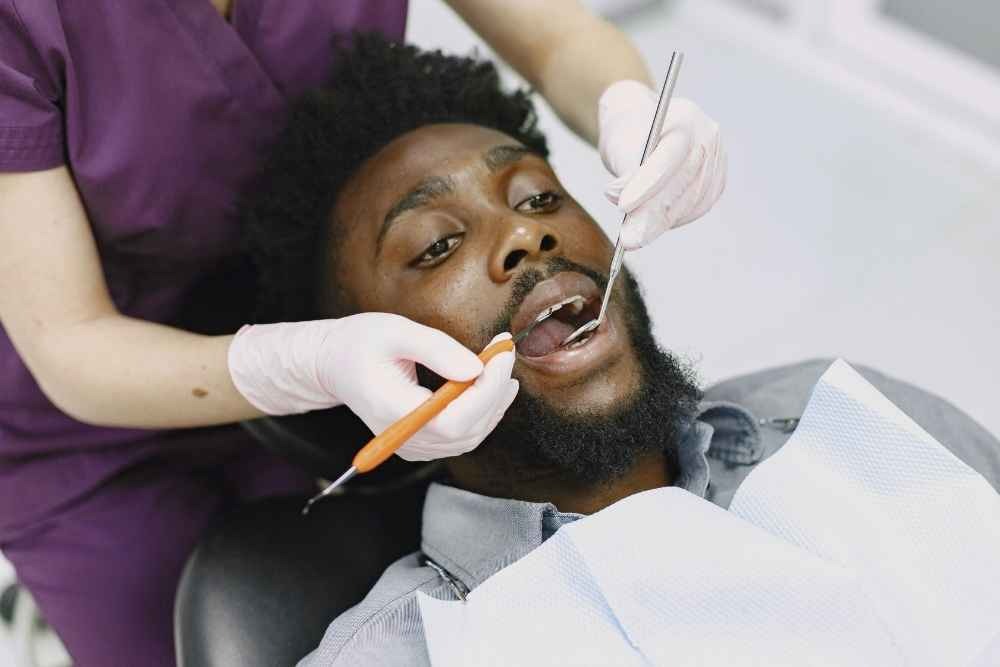
If a tooth is missing altogether, treatments such as dental implants, dental bridges or dentures may be considered instead, depending on your oral health and circumstances. Similarly, a badly damaged tooth may sometimes require a filling or dental crown rather than cosmetic bonding.
Patients who already have dental implants, crowns, bridges or veneers can still ask us about bonding elsewhere in their smile. We simply need to take existing restorations into account when planning colour, proportions and treatment.
This is another reason a proper dental assessment matters. The right treatment depends on the health and condition of the individual tooth, not just how it looks.
How long composite bonding lasts varies from patient to patient. As a general guide, our treatment information gives a lifespan of around five to seven years with good oral hygiene and regular dental care, although this isn’t a guaranteed timeframe.
How long your bonding lasts can be influenced by:
One benefit of composite is that if a small area chips or becomes worn, it may sometimes be possible to repair or refresh it rather than replace the whole restoration. We’ll need to examine the tooth before advising what’s appropriate.
Looking after bonded teeth is much like looking after your natural teeth. Good routine care helps protect both your bonding and your wider oral health.
Brush twice a day with fluoride toothpaste and a suitable toothbrush, and clean between your teeth regularly to help control plaque.
It also helps to:
The composite tooth bonding itself shouldn’t cause ongoing pain. If a bonded tooth becomes painful or unusually sensitive, book a dental assessment so we can check the tooth rather than assuming the composite is the cause.

Composite bonding is often considered a worthwhile treatment for many suitable patients, particularly when they want to make small to moderate cosmetic changes while preserving as much natural tooth structure as possible.
It can be particularly useful for repairing chips, smoothing uneven edges, closing small gaps or refining the shape of individual teeth. Treatment is usually minimally invasive and can often achieve noticeable changes without extensive preparation of the tooth.
Whether it’s the right option for you will depend on your dental health, the changes you’d like to make, your budget and your expectations around maintenance. For some smiles, another treatment such as Invisalign, porcelain veneers or a crown may be more appropriate. We’ll talk you through the options and explain what can realistically be achieved with composite bonding for your own teeth.
If you’re searching for composite bonding near me in Upminster, we can help you explore whether treatment is appropriate for your smile.
At your consultation, we’ll assess your teeth and gums, discuss the changes you’d like to make and explain the suitable options, costs and expected maintenance. If treatments such as professional teeth whitening, Invisalign or veneers treatment in Upminster would better address part of your concern and improve your confidence further, we can talk those through too.
Our practice is at 34a Station Road, Upminster, RM14 2TR, close to Upminster station and easily reached from the surrounding area - and even accessible from London Fenchurch street.
Become a Church View Dental member today

Composite bonding for purely cosmetic reasons is not usually available on the NHS and would normally be provided privately. NHS dentistry covers treatment that is clinically necessary for your dental health, so if a damaged tooth needs treatment for a clinical reason, your dentist can explain which NHS and private options may be available.
Yes, chipped composite bonding can often be repaired. Whether a small repair, full replacement or another type of restoration is most appropriate will depend on the extent and cause of the damage, so we’ll assess the tooth and existing bonding first.
Yes, composite bonding can be used after Invisalign or braces to refine tooth shape, edges or small spaces once the teeth are in their planned positions. If you’re considering orthodontic treatment and bonding together, planning both from the outset can help create a more balanced final result.
Yes, composite bonding can sometimes close or reduce the appearance of small gaps between teeth. Larger spaces, crowding or bite problems may be better treated with Invisalign or braces, so we’ll assess your teeth and bite before recommending the most appropriate option.
Composite bonding is generally a minimally invasive treatment because little or no natural enamel usually needs to be removed. The amount of preparation depends on the individual tooth and treatment planned, and we’ll explain this before you decide whether to proceed.
Yes, composite bonding can be carried out on just one tooth where it’s clinically suitable. It can be used to repair a chip, rebuild a worn edge or refine the shape of a single tooth, while neighbouring teeth are considered when matching the shade and proportions.
Yes, you may still be able to have composite bonding if you grind or clench your teeth, but bruxism can increase the risk of wear, cracking or chipping. We’ll assess your bite and grinding habits first and discuss whether bonding is suitable and whether additional protection may be helpful.
Yes, you can have teeth whitening after composite bonding, but whitening will lighten your natural teeth and not the composite resin itself. If you’re considering both treatments, it’s usually worth planning them together so the timing and final composite shade can be chosen appropriately.
When choosing composite bonding near you in Upminster, look for a registered dental professional who assesses your oral health first, explains the likely results and costs clearly and provides appropriate aftercare. It can also be useful to review genuine before-and-after cases and ask how repairs and long-term maintenance are managed. At Church View Dental in Upminster, we’ll assess your teeth and bite before recommending whether composite bonding is suitable for you.
Composite bonding is not usually recommended over active gum disease or untreated tooth decay. These problems would normally need to be treated first so that your teeth and gums are healthy enough to provide a stable foundation for cosmetic bonding.
01708 220563
34a Station Rd,
Upminster,
RM14 2TR
Mon
Tue
Wed
Thu
Fri
Sat
Sun
9:00am - 6:00pm
9:00am - 6:00pm
9:00am - 6:00pm
9:00am - 7:00pm
9:00am - 4:00pm
9:00am - 1:00pm
Closed



Copyright Church View Dental 2025
This website was last updated on 13/08/2021 at 09:23